T: +86-13758587081
E: longtaiyarn@sina.com
E: longtaiyarn@sina.com
Longtai Textile, Building 58, Yuwang Xincun, Datang Street, Zhuji City, Shaoxing City, Zhejiang Province, China.
Views: 0 Author: Site Editor Publish Time: 2026-03-18 Origin: Site


Why do some polyester fabrics feel soft, stretchy, and easy to wear, while others feel smooth and firm? In many cases, the answer starts at the yarn level. DTY yarn has become a key material in modern textile production because it helps create fabrics people want to use every day. For manufacturers, designers, and buyers, understanding DTY yarn is more than basic product knowledge. It helps them choose the right yarn for comfort, performance, appearance, and fabric function. Suppliers such as Longtai also show how specialized producers support global textile manufacturing through stable DTY yarn supply.
In this article, you will learn what DTY yarn is, how it is made, what makes it valuable, and where it is used.
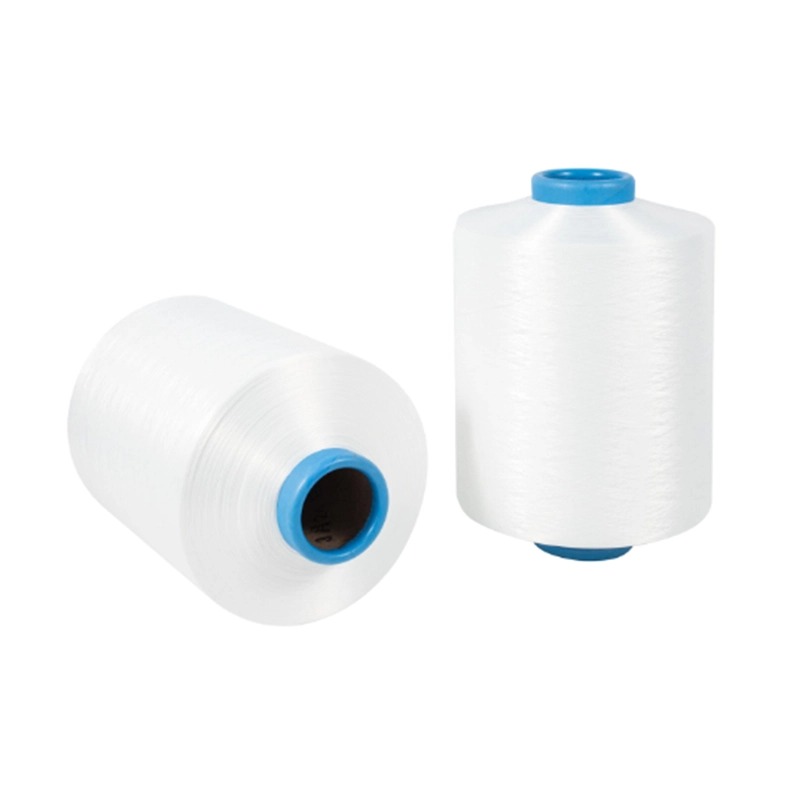
DTY yarn, short for Draw Textured Yarn, is a polyester filament yarn created by texturing partially oriented yarn. The process introduces crimps and loops into the filament structure, which improves elasticity, softness, and bulk.
Unlike smooth filament yarns, DTY has a textured surface structure. This structure allows fabrics to feel fuller and more flexible. For this reason, many knitted fabrics rely heavily on DTY yarn.
Within the polyester filament category, DTY stands between raw yarn and finished fabric. Manufacturers spin it into various fabrics used for clothing, home textiles, and technical products.
Key characteristics include:
● High elasticity
● Soft and bulky texture
● Strong durability
● Good dye absorption
● Wrinkle resistance
These properties make DTY suitable for fabrics that require both comfort and performance.
DTY yarn begins as POY (Partially Oriented Yarn). POY is a semi-finished polyester filament created during the initial spinning stage. It still has low crystallinity and limited strength.
The transformation from POY to DTY involves two main processes:
1. Drawing – stretching the yarn to increase strength and orientation
2. Texturing – adding controlled deformation to create crimps
During texturing, high-speed twisting and heat treatment modify the filament structure. The straight fibers become crimped, creating a flexible and bulky yarn.
This process changes the physical behavior of the fiber in several ways:
Property | POY | DTY |
Structure | Smooth filament | Crimped textured filament |
Elasticity | Low | High |
Bulkiness | Low | High |
Fabric Feel | Smooth | Soft and fuller |
Because of these structural changes, DTY yarn performs well in stretch fabrics and knitted textiles.
Many textile engineers value DTY yarn because it combines the durability of polyester with the comfort of natural fibers.
The secret lies in its crimped structure. The tiny loops and bends inside the yarn create air pockets. These pockets trap air and improve softness, insulation, and drape.
As a result, fabrics made with DTY yarn often feel similar to cotton or wool while maintaining the strength of synthetic fibers.
Common comfort advantages include:
● Improved breathability
● Smooth fabric drape
● Flexible movement
● Skin-friendly texture
This balance between performance and comfort explains why DTY remains a popular yarn choice in modern textile production.
Producing DTY yarn requires several precise mechanical and thermal steps. Each stage affects the yarn’s elasticity, strength, and final performance.
Production begins with polyester POY as the raw material. POY is produced during the melt spinning of polyester chips.
This yarn contains partially oriented molecular chains. It has moderate strength but still allows further processing. Its structure makes it ideal for the drawing and texturing processes that follow.
Manufacturers select POY based on:
● Denier specification
● Filament count
● polymer quality
● spinning consistency
These parameters influence the final DTY yarn quality.
Next, the POY yarn passes through a controlled heating zone. Heat softens the molecular chains inside the fiber.
When heated, the polyester chains gain mobility. This allows them to stretch and rearrange during drawing. The temperature must remain stable to avoid damaging the filament structure.
Typical heating temperatures range between 190°C and 200°C depending on machine configuration.
The core of DTY production is the false twist texturing process.
In this stage, the heated yarn moves through a high-speed twisting unit. The machine temporarily twists the yarn while stretching it. When the twist releases, the filament retains a crimped structure.
This process creates:
● small loops
● crimps
● bulkiness
The result is a yarn that stretches easily while maintaining good recovery.
After texturing, the yarn undergoes drawing and heat setting.
Drawing aligns the molecular chains and improves tensile strength. Heat setting then stabilizes the crimped structure so the yarn keeps its shape during weaving and knitting.
Key production parameters include:
Parameter | Typical Range | Effect |
Draw ratio | 1.0 – 1.1 | Controls elasticity and strength |
Heater temperature | 193–198°C | Softens fiber |
Setting temperature | 175–180°C | Stabilizes crimp |
Processing speed | 450–550 m/min | Determines output |
These settings must remain balanced to maintain consistent yarn quality.
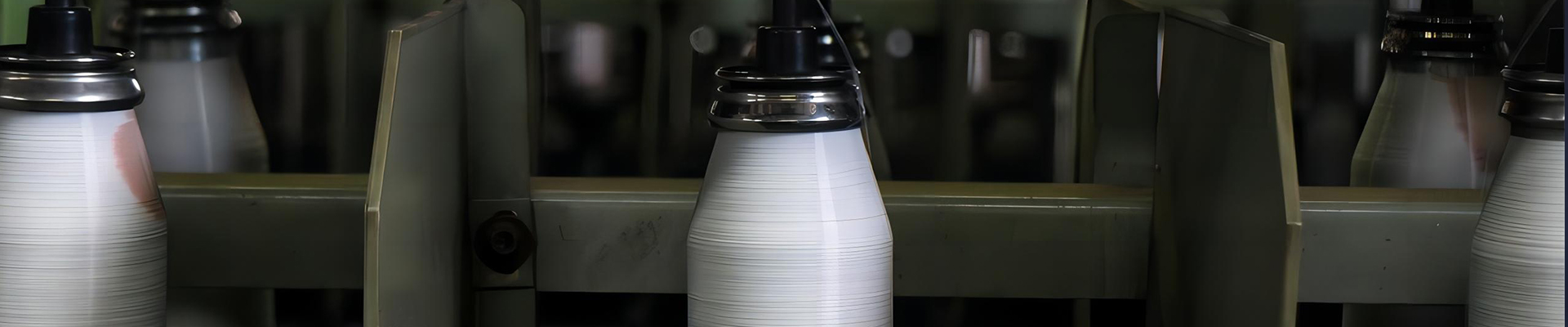
Finally, the finished DTY yarn is wound onto cones or bobbins for transportation and textile processing. Large-scale manufacturers use automated winding systems to ensure uniform tension and smooth packaging.
In textile hubs such as Datang Town in Zhejiang Province, professional suppliers like Longtai operate advanced equipment and trained production teams. Their integrated systems help maintain stable yarn performance for downstream fabric manufacturers.
DTY yarn stretches easily due to its crimped filament structure. When tension releases, the yarn quickly returns to its original shape without permanent deformation. This natural elasticity allows fabrics to move comfortably with the body during daily wear or active movement. It also helps garments maintain their structure after repeated stretching, washing, and long-term use, improving overall fabric durability.
The textured structure of DTY yarn creates tiny air gaps between individual filaments. These gaps increase yarn bulk and improve softness while also enhancing fabric breathability. As a result, fabrics made from DTY yarn feel fuller, smoother, and more comfortable compared with fabrics produced from smooth filament yarns.
DTY yarn absorbs dyes effectively because its microstructure allows dye molecules to penetrate deeply.
Benefits include:
● vibrant colors
● strong color fastness
● uniform dye distribution
This feature is important in fashion textiles where visual appearance matters.
Because DTY yarn is polyester-based, it inherits the durability of synthetic fibers.
Key durability advantages include:
● abrasion resistance
● wrinkle resistance
● low shrinkage
● easy washing and quick drying
These qualities make DTY fabrics ideal for daily wear and high-performance applications.
Note: DTY fabrics often combine polyester with spandex to create four-way stretch fabrics, widely used in activewear and sports clothing.
These variations control the luster of the yarn.
Type | Appearance | Typical Use |
Bright | Shiny surface | Decorative fabrics |
Semi-dull | Balanced appearance | Apparel fabrics |
Full-dull | Matte finish | Casual and comfort fabrics |
The difference comes from the amount of titanium dioxide added during spinning.
Intermingling uses compressed air to entangle filaments together. This improves filament cohesion and reduces yarn separation during weaving.
Benefits include:
● improved yarn stability
● easier processing
● reduced filament breakage
Brushed DTY fabrics undergo a mechanical brushing process. This raises tiny fibers on the surface.
The result is a suede-like texture often used in:
● leggings
● loungewear
● winter garments
● children’s clothing
DTY yarn frequently blends with spandex or elastane to enhance stretch performance.
These blends create fabrics with:
● high flexibility
● excellent recovery
● strong shape retention
Such fabrics dominate the sportswear and athleisure markets.
Understanding how DTY yarn compares with other polyester yarns helps textile engineers choose the correct material.
FDY (Fully Drawn Yarn) is another polyester filament yarn commonly used in textiles.
Feature | DTY Yarn | FDY Yarn |
Structure | Textured | Smooth |
Elasticity | High | Low |
Bulkiness | High | Low |
Fabric Feel | Soft | Crisp |
Typical Use | Knit fabrics | Woven fabrics |
DTY works well for soft and elastic fabrics, while FDY suits smooth and structured materials.
POY serves mainly as an intermediate product.
Feature | POY | DTY |
Processing stage | Semi-finished | Finished yarn |
Strength | Lower | Higher |
Texture | Smooth | Crimped |
Application | Further processing | Fabric production |
Manufacturers rarely use POY directly in fabrics.
Yarn selection depends on the final product.
● Choose DTY yarn for stretch fabrics and knitted garments.
● Choose FDY yarn for smooth woven fabrics.
● Use blended yarns for specialized performance textiles.
Tip: When selecting yarn, evaluate elasticity, fabric structure, and finishing processes before choosing the filament type.
DTY yarn dominates the knitted apparel market.
Typical products include:
● sportswear
● yoga pants
● leggings
● T-shirts
● casual clothing
The yarn’s elasticity allows garments to move comfortably with the body.
DTY yarn also appears in many household fabrics.
Examples include:
● curtains
● bedding
● sofa upholstery
● cushion covers
● decorative fabrics
Its soft texture and good drape improve home textile comfort.
Industrial textiles also benefit from DTY’s durability.
Common uses include:
● filtration fabrics
● automotive interior materials
● protective garments
● industrial packaging fabrics
Global textile suppliers such as Longtai provide DTY yarn along with various textile raw materials and machinery used in hosiery and fabric manufacturing. Their products support textile production across international markets.
Note: Industrial textile applications often require customized yarn specifications such as filament count and tensile strength.
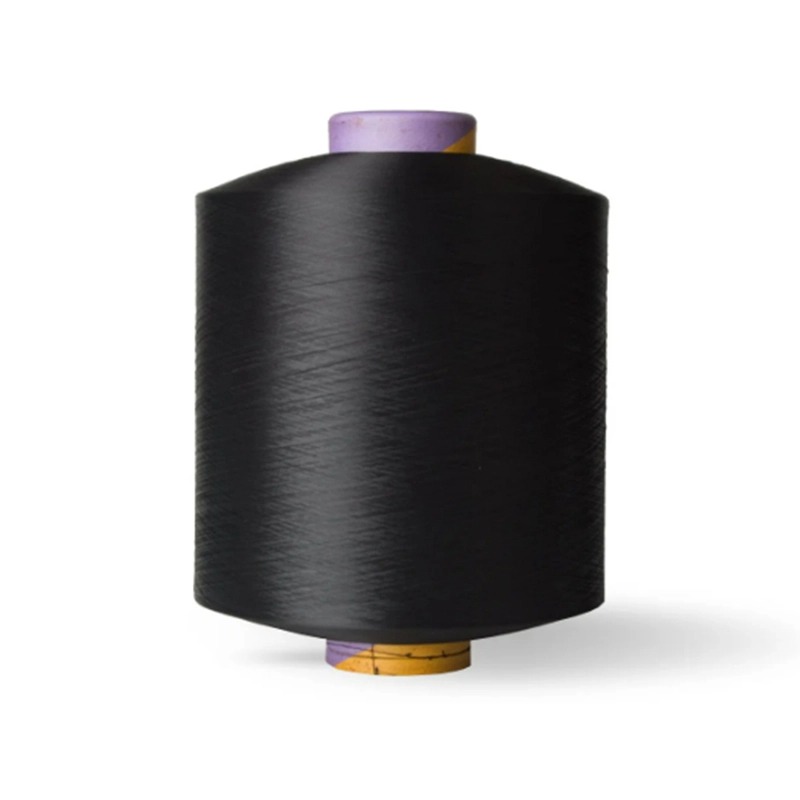
Several technical parameters influence yarn behavior.
Parameter | Meaning | Impact |
Denier | Yarn thickness | Fabric weight |
Filament count | Number of filaments | Softness and smoothness |
Twist level | Yarn texture | Elasticity and durability |
Higher filament counts usually create smoother fabrics, while lower counts produce bulkier textures.
Different textile processes require different yarn properties.
Knitted fabrics often use high-elastic DTY yarn. Woven fabrics may combine DTY and FDY yarns to balance softness and structure.
Manufacturers also consider:
● fabric weight
● stretch requirements
● dyeing methods
● finishing treatments
Selecting the correct yarn specification early in production helps prevent performance issues later.
DTY yarn remains one of the most versatile polyester filament yarns used today. Its textured structure delivers elasticity, softness, durability, and strong dye performance. These qualities allow fabrics to feel comfortable while maintaining the strength typical of polyester materials.
From sportswear and casual clothing to bedding and technical textiles, DTY yarn supports many modern fabric applications. Its crimped structure helps fabrics mimic the comfort of natural fibers while still offering long-lasting performance. Understanding its structure, production process, and functional properties helps manufacturers select the right yarn for different textile products. As demand for high-quality fabrics grows, reliable suppliers play an important role in the industry. Zhuji Longtai Import & Export Co., Ltd. provides DTY yarn and related textile materials designed for consistent quality and stable performance. Their products help textile producers create comfortable, durable fabrics while improving manufacturing efficiency and product value.
A: DTY yarn (Draw Textured Yarn) is a polyester filament yarn created by texturing partially oriented yarn. The process adds crimps and bulk, giving the yarn elasticity and softness. Because of these qualities, DTY yarn works well in knitted fabrics, sportswear, and home textiles.
A: DTY yarn forms when partially oriented yarn goes through drawing and false twist texturing. Heat softens the fiber, twisting creates crimps, and heat setting stabilizes the structure. This process gives DTY its stretch, bulk, and fabric comfort.
A: The main difference lies in structure and performance. DTY yarn has a textured, crimped surface that provides stretch and softness. FDY yarn remains smooth and straight, offering higher strength and a crisp fabric finish.
A: Many modern fabrics rely on DTY yarn because it improves flexibility and comfort. It appears in leggings, yoga wear, knit tops, bedding fabrics, upholstery textiles, and some technical fabrics that require durability.
A: The textured structure of DTY yarn creates small air pockets between filaments. These pockets increase bulk and improve softness. As a result, fabrics feel fuller and more breathable compared with smooth filament yarns.
A: Textile engineers evaluate several parameters when selecting DTY yarn. Important factors include denier, filament count, and twist level. These specifications influence fabric weight, elasticity, surface texture, and overall garment performance.