
T: +86-13758587081
E: longtaiyarn@sina.com
E: longtaiyarn@sina.com
Longtai Textile, Building 58, Yuwang Xincun, Datang Street, Zhuji City, Shaoxing City, Zhejiang Province, China.
Views: 0 Author: Site Editor Publish Time: 2026-10-10 Origin: Site


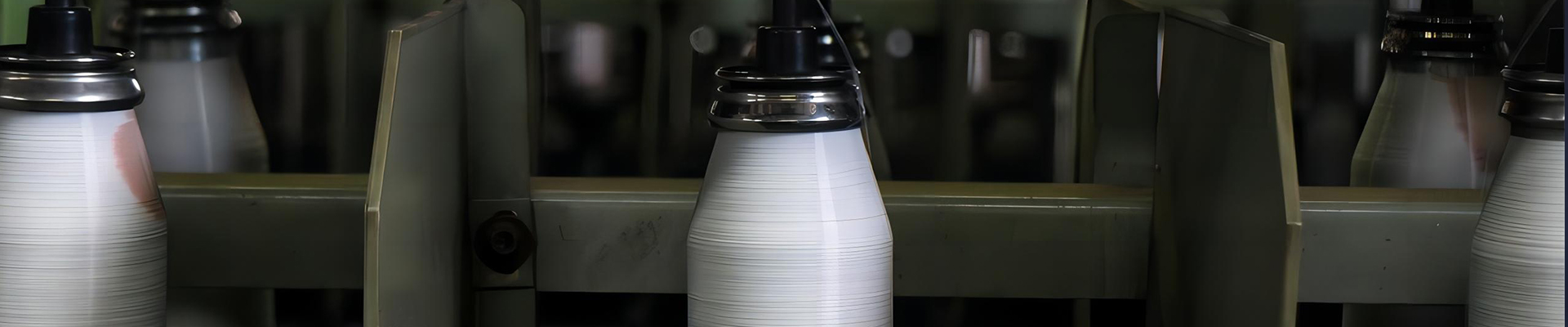
Spandex covered yarn is a composite elastic yarn constructed with a central polyurethane elastomeric core wrapped continuously by protective outer sheath fibers, such as filament nylon, textured polyester, spun cotton, or viscose, ensuring optimal tensile strength, stretch recovery, and surface durability.
Ⅰ. The application of spandex in the knitted sock industry
Ⅱ. Application in the knitted clothing industry
Ⅲ. With the rapid development of the clothing industry, the demand for sewing thread
Ⅳ. Spandex downstream fabric spandex elastic silk fabric is woven from different yarns
Frequently Asked Questions
Spandex covered yarn provides crucial elastic stretch recovery, cuff compression structure, and long-term dimensional stability in modern sock knitting, ensuring hosiery retains its form through repeated wear and washing.
In industrial circular hosiery production, maintaining uniform yarn tension across high-speed feeders running at over three hundred rotations per minute is paramount. Bare elastane filaments lack structural friction resistance, causing them to slip unpredictably through needle beds, which leads to dropped stitches and uneven sock lengths. By implementing a core-sheath covered architecture, the outer fiber layer absorbs needle contact friction and distributes tensile forces evenly throughout the loop-forming sequence. This allows sock manufacturers to achieve tight stitch control and consistent welt pressure without risking filament snap.
Furthermore, specialized compression hosiery and functional performance socks require strictly calibrated elasticity gradients. European clients and medical textile converters routinely require specialized draft ratios within the elastic core to guarantee that sock cuffs and arch supports deliver targeted pressure without cutting off blood circulation. The protective sheath fibers prevent environmental oxidation, chlorine contact degradation, and thermal loss of stretch, guaranteeing that the hosiery maintains structural memory throughout prolonged product lifecycles.
Key Technical Parameters for Hosiery Production:
Low Denier Elastomeric Configurations (20D to 30D Core with Nylon 70D/24F Sheath): Engineered specifically for ultra-sheer dress socks and invisible shoe liners, delivering high elasticity alongside a smooth, lustrous surface finish.
Medium Denier Elastic Configurations (40D to 70D Core with Polyester 150D/48F Sheath): Formulated for high-impact athletic socks and daily sportswear, focusing on superior moisture transportation, impact cushioning, and structural durability.
Heavy Denier Elastic Configurations (70D to 140D Core with Nylon 100D/36F Sheath): Applied in specialized medical graduated compression socks and heavy-duty work socks, delivering maximum compressive pressure recovery and extreme abrasion endurance.
For high-end hosiery production lines requiring maximum continuous running efficiency, adopting Customized High Elastic Air Covered Spandex Yarn offers superior core protection, consistent draft ratios, and exceptionally low surface friction during rapid needle movements.
Working Principle of Air Covering Technology: Air covered spandex yarn utilizes high-velocity compressed air jets to interlace the sheath filament fibers with the pre-drafted polyurethane elastomer core at precise millimeter intervals without physical twisting, generating a light, airy composite structure characterized by soft uniform stretch, excellent bulkiness, and outstanding processing stability.

In the knitted garment sector, spandex covered yarn is essential for constructing dimensionally stable, flexible, and soft fabrics used in seamless activewear, performance leggings, innerwear, and body-shaping garments.
Modern functional apparel demands high power stretch combined with dynamic recovery force to support human musculoskeletal movement without causing mechanical restriction or garment bagging. Standard knitted fabrics constructed without elastomeric cores experience permanent deformation over time, particularly in high-stress anatomical areas like elbows, knees, and waistbands. Integrating spandex covered yarn directly into circular knit or warp knit tricot matrices creates a structural spring network inside the fabric, allowing instantaneous recovery after extreme elongation.
The composition of the outer sheath yarn directly governs critical surface parameters, including moisture transportation, dye uptake, tactile softness, and surface pilling resistance. When an elastomeric polyurethane core is paired with multi-filament micro-denier nylon, the resulting composite yarn delivers a cool, silky handfeel perfect for seamless base layers and underwear. Conversely, combining the core with textured polyester filaments provides rapid capillary moisture dispersion, ideal for high-intensity training gear. Controlling draft consistency in these core-sheath yarns is essential for preventing barre patterns and shade variations across dyed fabric bolts destined for demanding European markets.
Structural Performance Advantages of Covered Elastic Yarns in Knitted Apparel:
Single Covered Elastic Structure: Features a single layer of sheath yarn wrapped spirally around the elastomeric core. It offers high elasticity ranging from 200 percent to 350 percent and a soft tactile feel, making it the preferred choice for lightweight sheer underwear, fine jersey shirts, and hosiery.
Double Covered Elastic Structure: Utilizes two opposing layers of sheath yarn wrapped helically around the core. This dual-layer shield increases tensile strength up to 5.5 cN/dtex and offers exceptional wear endurance, making it ideal for heavy-duty shapewear, athletic compression garments, and orthopedic supports.
Air Covered Elastic Structure: Relies on pneumatic point-interlacing between the core and sheath. It balances high elongation with superior loftiness, lowering production costs while maximizing softness in seamless leggings, sports bras, and daily athleisure wear.
For seamless apparel factories seeking to eliminate localized fabric bagging and maintain consistent elasticity after repeated wash cycles, integrating high-performance high elastic customized air covered spandex yarn ensures precise cross-directional recovery force and superior dimensional retention.
High Dynamic Comfort: The outer filament layer completely covers the elastomeric core, preventing raw synthetic polyurethane from coming into direct contact with human skin and reducing skin irritation.
Shape Memory Retention: High dynamic elastic recovery prevents long-term fabric stretch-out, allowing garments to maintain their original tailored shape across extensive wear cycles.
Uniform Dye Affinity: Sheath fibers absorb dyestuffs evenly during low-temperature or high-temperature dyeing processes, completely hiding the shiny core fiber and eliminating surface speckles.
The continuous evolution of stretch apparel has created an increased demand for specialized elastomeric sewing threads engineered with spandex covered yarn cores to produce strong, expandable seams that stretch seamlessly with elastic knit fabrics.
Traditional rigid sewing threads composed of spun cotton or standard continuous filament polyester are incapable of matching the stretch performance of modern elastomeric knitwear. When a highly elastic garment is stretched during movement, standard rigid seams bear the brunt of the tensile force, leading to thread snapping, popped stitches, and fabric tear along seamlines. Additionally, automated industrial sewing equipment operates at extreme speeds exceeding five thousand stitches per minute, creating intense frictional heat at needle points that would immediately melt or break unshielded elastomeric threads.
By encasing elastomeric cores within heat-resistant, high-tenacity nylon or polyester continuous filaments, technical thread manufacturers produce flexible, highly durable elastomeric core sewing threads. These composite threads maintain pristine loop formation during high-speed chain-stitch and cover-stitch operations, permitting seam elongation of up to eighty-five percent without stitch distortion or thread fraying.
Comparative Characteristics of Modern Sewing Threads:
Standard Spun Polyester Thread: Offers low elongation at break (12 percent to 18 percent) and poor seam elasticity, rendering it limited to rigid woven garments like dress shirts, trousers, and heavy outerwear.
High-Tenacity Continuous Nylon Thread: Provides moderate elongation (20 percent to 28 percent) and good tensile strength, making it suitable for medium-stress technical textiles, luggage, and performance footwear.
Spandex Core Covered Sewing Thread: Delivers exceptional stretch elongation (45 percent to 85 percent) paired with excellent thermal resistance up to 200°C, providing the gold standard performance required for activewear, athletic swimwear, and body-contouring underwear seams.
In automated cover-stitch sewing environments requiring continuous tension stability and smooth passage through needle guides, employing specialized air covered spandex yarn for sewing application significantly minimizes thread breakage rates, prevents puckering, and lowers overall machine downtime.
Thread Tension Calibration and Storage Tip: When running elastomeric core yarns through high-speed automated sewing machinery, operators must reduce upper needle and bobbin thread tension settings by 15 percent to 20 percent compared to rigid thread settings. Yarn storage rooms should maintain a steady 60 percent relative humidity to ensure stable dynamic friction coefficients across long production runs.
Spandex elastic silk fabrics are downstream technical textiles woven or knitted by merging spandex covered yarns with continuous silk filaments or high-drape synthetic fibers, blending luxury aesthetics with dynamic stretch recovery.
Downstream shuttleless weaving requires extremely stable tension management across both warp and weft yarn feeding systems. In woven elastomeric textiles, spandex covered yarn is typically inserted across the weft direction, warp direction, or both to engineer mono-stretch or bi-stretch fabrics. When natural mulberry silk or fine viscose filaments serve as the outer matrix yarn, the finished fabric retains the elegant sheen, fluid drape, and breathability of silk while gaining the functional flexibility required by modern fashion consumers.
The precise wrapping ratio and core elastane denier define the finished fabric's weight, air permeability, and dynamic elasticity. International buyers focused on European designer markets consistently favor bi-stretch woven silk structures because they maintain strict dimensional tolerances after commercial dry cleaning and laundering. Furthermore, the complete outer sheath encapsulation guards the central elastic core against sunlight exposure, chlorine, and elevated heat setting temperatures during textile finishing operations.
Downstream Elastic Silk Fabric Classifications and Characteristics:
Mono-Stretch Woven Elastic Silk Fabric: Combines mulberry silk in the warp with elastomeric covered yarn in the weft, yielding a lightweight fabric (90 to 140 g/m²) with a 15 to 25 percent weft stretch capacity, ideal for high-end blouses, tailored evening wear, and luxury scarves.
Bi-Stretch Technical Silk Satin: Features nylon/spandex covered yarn interwoven with fine silk filaments in both warp and weft directions, creating a medium-weight fabric (160 to 220 g/m²) with 30 to 45 percent multidirectional stretch, optimized for form-fitting luxury gowns and high-fashion blazers.
Elastic Silk Crepe De Chine: Blends viscose/spandex covered yarn with twisted silk yarns, resulting in a textured, crinkled surface fabric (110 to 170 g/m²) offering 20 to 35 percent gentle stretch, perfect for breathable summer dresses and casual luxury wear.
Dynamic Shape Recovery: Downstream elastic silk textiles feature exceptionally rapid elastic recovery, effectively preventing garment sagging, bagging at stress points, and severe fabric wrinkling.
Premium Tactile Sheen: The outer sheath completely wraps around the central elastomeric filament, fully preserving the soft natural feel, elegant lustre, and smooth skin-contact qualities of real silk.
Superior Color Fastness: Advanced core-sheath configurations facilitate deep dye liquor penetration, ensuring excellent wash and light fastness without color bleeding or elastane grin-through.
Spandex is a synthetic continuous filament yarn made from a long-chain synthetic polymer comprised of at least 85 percent segmented polyurethane. It is classified as an elastomeric fiber capable of expanding over five hundred percent beyond its original length and returning instantly to its original state when tension is released.
Spandex bare yarn refers to an uncovered, raw polyurethane elastomeric filament extruded directly without any protective outer sheath layer. Bare spandex exhibits extreme stretch, but suffers from low tensile resistance, high surface friction, and vulnerability to environmental oxidation, making it difficult to process directly on high-speed knitting or weaving equipment.
Spandex yarn is manufactured through industrial polymerization and extrusion methods, including solution dry spinning, solution wet spinning, melt extrusion, and reaction spinning. Solution dry spinning accounts for over ninety percent of global production, where polyurethane prepolymers are reacted with diamines, dissolved in solvent, and extruded through fine spinnerets into heated evaporating towers to form continuous filaments.
No, spandex itself is not a spun yarn made from short staple fibers; it is an extruded continuous synthetic filament. However, short staple fibers like cotton or viscose can be spun around a spandex central core during ring spinning to produce hybrid elastic spun yarns.