T: +86-13758587081
E: longtaiyarn@sina.com
E: longtaiyarn@sina.com
Longtai Textile, Building 58, Yuwang Xincun, Datang Street, Zhuji City, Shaoxing City, Zhejiang Province, China.
Views: 0 Author: Site Editor Publish Time: 2026-10-02 Origin: Site


Transitioning to sustainable textiles is now a strict commercial mandate across the globe. However, sourcing reliable recycled materials carries significant operational risks. You cannot afford sudden machine downtime or failed fabric inspections. Today, the textile market remains heavily saturated with unverified sustainability claims. Too often, buyers purchase recycled fibers which fail fundamental physical performance tests. This glaring discrepancy quickly damages both factory profitability and long-term brand reputation.
We designed this article to provide procurement managers and textile engineers with a strict, actionable evaluation framework. You will discover how to properly verify environmental claims and assess critical physical properties. We will also help you shortlist credible suppliers for your active production lines. This comprehensive guide empowers you to source recycled polyester cotton yarn confidently and securely. By implementing these rigorous standards, you eliminate guesswork entirely. Let us explore the exact steps required for procurement success.
Companies face immense pressure to meet ESG mandates today. Brands want to showcase their eco-friendly initiatives. Consumers actively demand recycled products. However, factory managers face the harsh reality of daily production metrics. They must balance environmental goals against factory-floor efficiency. Machine downtime instantly negates the marketing value of sustainable materials. Spindle speeds cannot slow down to accommodate weak fibers. Yarn breakage stops production lines completely. You must bridge the gap between marketing desires and engineering constraints.
We must acknowledge the physical reality of recycled fibers. Recycled polyester usually comes from crushed rPET bottles. This material can exhibit frustrating variances in dye affinity. The polymer chains degrade slightly during the mechanical recycling process. It lacks the uniform molecular structure of virgin polyester. Mechanically recycled cotton presents another significant hurdle for spinners. It loses essential staple length during the tearing process. The spinning machines struggle to bind these short fibers tightly. Therefore, the polyester component takes on a massive structural burden. It must act as the primary structural carrier. It provides the necessary tensile strength for the entire blend. It holds the yarn together under extreme loom tension.
You need strict success criteria to protect your output. Establish a firm performance baseline for your factory floor. The recycled yarn must perform exceptionally well under tension. It should stay within 5 to 10 percent of virgin yarn metrics. You measure this variance on high-speed weaving or knitting looms. If breakage rates exceed this tolerance, labor costs rise sharply. Operators spend too much time tying knots and fixing stops. You must prioritize operational viability alongside your sustainability targets. A balanced approach ensures long-term profitability.
You cannot trust environmental claims blindly in today's market. Always verify them through established global frameworks. Start your audit by checking Global Recycled Standard (GRS) certification. Auditors look for specific environmental and social criteria. The Global Recycled Standard covers chemical restrictions and fair labor practices. Do not accept a static GRS certificate from a vendor. Documents are easily forged or outdated. You must verify the supplier’s scope certificate number directly. Use the official Textile Exchange database for this crucial step. Ensure the actual facility producing the yarn is fully audited. The trading company alone holding a certificate is not enough. The spinner must demonstrate a transparent chain of custody.
Next, demand Transaction Certificates (TCs) for your orders. TCs are absolutely necessary for each individual purchase order. They act as your financial receipt for sustainability. They prove a vital supply chain metric. The volume of recycled material shipped must match the volume produced. A supplier might buy one ton of recycled fiber. They cannot sell ten tons of certified recycled yarn. The TC tracks this mass balance equation perfectly. Without this documentation, you risk serious greenwashing accusations. Activist groups and regulators scrutinize supply chains heavily today.
We also require strict chemical compliance from all suppliers. Verify Oeko-Tex Standard 100 compliance immediately. This certification ensures no hazardous chemicals remain in the fibers. It tests for harmful substances across processing stages. Restricted heavy metals pose a major risk in recycled materials. Antimony is often used as a catalyst in rPET processing. Recycled materials often carry residual chemicals from their previous life. Your team must eliminate these toxins before production begins. You must guarantee these contaminants never reach human skin. Consumer safety depends entirely on these chemical compliance checks. Proper documentation shields your brand from regulatory fines and recalls.
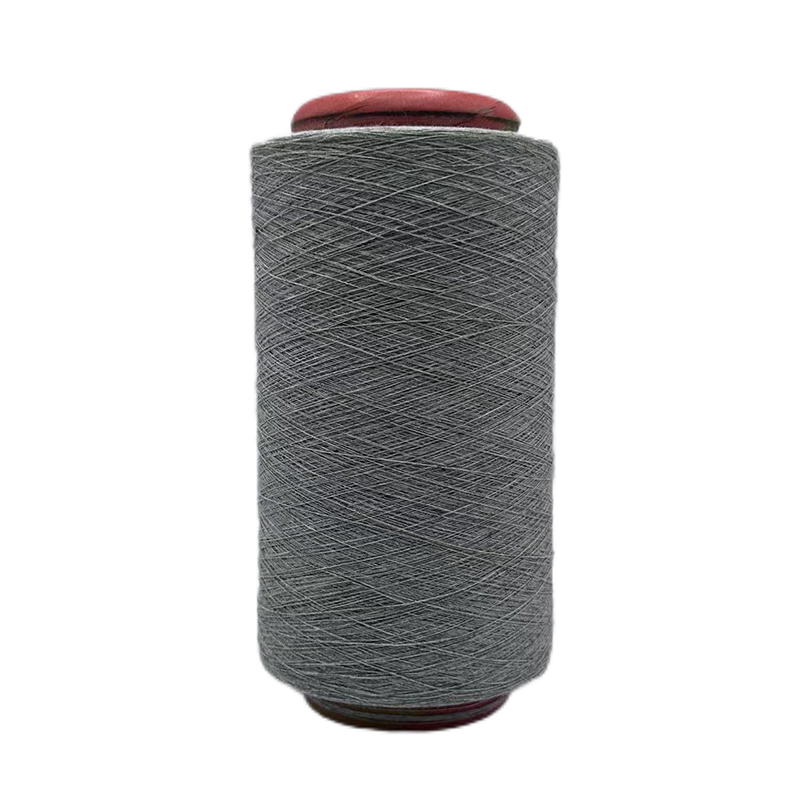
Physical strength dictates factory success and overall fabric quality. You must define an acceptable CSP drop-off. CSP stands for Count Strength Product. Compare it carefully to standard virgin yarn benchmarks. Always demand Uster testing reports directly from the yarn supplier. Look closely at the evenness metric, known as U%. Check the reports for common yarn imperfections. These include Neps, thick places, and thin places. High imperfections cause weak spots and visual defects in fabrics.
You also need highly accurate blend ratios. Beware of dangerous blend drift across the textile industry. A supplier might claim a 60/40 polyester-to-cotton ratio. They might deliver a 70/30 ratio instead to reduce their costs. You must specify independent lab testing for every batch. Use reputable third-party labs like SGS or Intertek. They will verify the exact polyester-to-cotton ratio through chemical dissolution.
Color fastness requires equal attention during procurement. Address the severe risk of barré in dyed fabrics. Barré refers to unwanted horizontal striping across the textile. This happens due to inconsistent recycled polyester chips absorbing dye unevenly. Require guaranteed variance limits for optical brightening agents. You can secure a smooth production run using these strict rules. Procurement teams should implement a standardized testing protocol. We suggest reviewing the typical physical property benchmarks below.
Standard Quality Metrics for Recycled Blends
| Test Parameter | Acceptable Tolerance | Testing Method |
|---|---|---|
| CSP Drop-off | Maximum 5-10% variance | Lea Strength Tester |
| Blend Ratio Variance | +/- 2% from target | Chemical Dissolution |
| Evenness (U%) | Below 12% on average | Uster Tester |
Yarn count fundamentally dictates final fabric performance and durability. You must align the yarn count with your product's structural needs. Coarse counts behave differently than fine counts during manufacturing. Let us take a deep dive into thicker textile materials. You will often source 16s recycled polyester cotton yarn for heavy-duty applications. Primary applications include highly absorbent terry towels and rugged denim. They also include heavy gauge knits, durable canvas, and industrial workwear.
You must evaluate specific mechanical parameters for this exact count. Assess the Twist Multiplier (TM) carefully before placing an order. A higher TM secures shorter recycled cotton fibers effectively. This critical adjustment prevents excessive shedding during high-speed manufacturing. You must also evaluate moisture wicking and abrasion resistance thoroughly. These specific traits remain critical for heavy-duty workwear applications. Employees rely on these fabrics for daily protection and comfort.
Scalability poses a hidden risk here for large brands. You must ensure the supplier has adequate mechanical capacity. They need to maintain consistent quality across massive production volumes. High-tonnage orders often expose serious manufacturing flaws in coarse counts. Always assess their spindle capacity and historical production data. Sometimes, integrating other robust fibers is necessary. You might compare these heavy metrics against alternative options like recycled polyester cotton yarn blends designed for distinct performance requirements to gauge acceptable quality drops. Proper evaluation ensures your final product meets strict consumer expectations.
Procurement requires a strictly phased, highly disciplined approach. You need a reliable framework to filter out bad suppliers quickly. Rushing into a bulk order is a catastrophic mistake. We strongly recommend following these three exact testing phases.
Engineers should inspect the knitted or woven samples under natural light. They must look for uneven dye absorption. The Martindale test simulates years of actual consumer wear. Pilling remains a huge problem for recycled cotton blends. Short fibers break loose and form tiny balls on the fabric surface. You want to catch this defect during phase three. Do not wait for customer returns to discover pilling issues. Dimensional stability testing prevents garments from shrinking unexpectedly. Recycled fibers react differently to heat and moisture. A strict washing protocol reveals these hidden vulnerabilities immediately. These steps protect your factory lines from unexpected disasters. They ensure the recycled yarn performs exactly as expected. They eliminate costly surprises before bulk production begins. Your engineering team must sign off on every phase.
Purchasing sustainable textile materials requires a fundamental strategy shift. You must move toward proactive, highly risk-managed procurement. Authentic sustainability claims remain entirely meaningless on their own. They require rigorous mechanical performance and verified Transaction Certificates. Your factory cannot run on green marketing alone. It needs strong, reliable fibers to maintain output speed. We advise all buyers to initiate the vetting process carefully. Always request independent lab reports first. Secure sample cones to test on your own machines. Do this long before committing to container-volume contracts. Require absolute transparency from your spinning partners. This disciplined approach guarantees quality and protects your brand reputation. Sustainable textiles represent the future of our industry. Proper procurement strategies make this transition seamless and profitable.
A: A standard 5 to 10 percent strength loss is generally acceptable. This variance depends heavily on your specific blend ratio. You must adjust your loom speeds and tension settings accordingly. Always verify this exact tolerance through rigorous pre-production sample testing.
A: It depends entirely on your sizing process and Count Strength Product (CSP). Warp yarn undergoes significant tension. Coarse recycled yarns typically require a higher polyester ratio to withstand this intense mechanical stress. Proper sizing remains critical to prevent excessive breakage during weaving.
A: You should never rely on a PDF document alone. Always check the expiration dates carefully. Ensure the factory address matches the actual production site. Most importantly, verify the scope certificate number directly through the official Textile Exchange portal.