
T: +86-13758587081
E: longtaiyarn@sina.com
E: longtaiyarn@sina.com
Longtai Textile, Building 58, Yuwang Xincun, Datang Street, Zhuji City, Shaoxing City, Zhejiang Province, China.
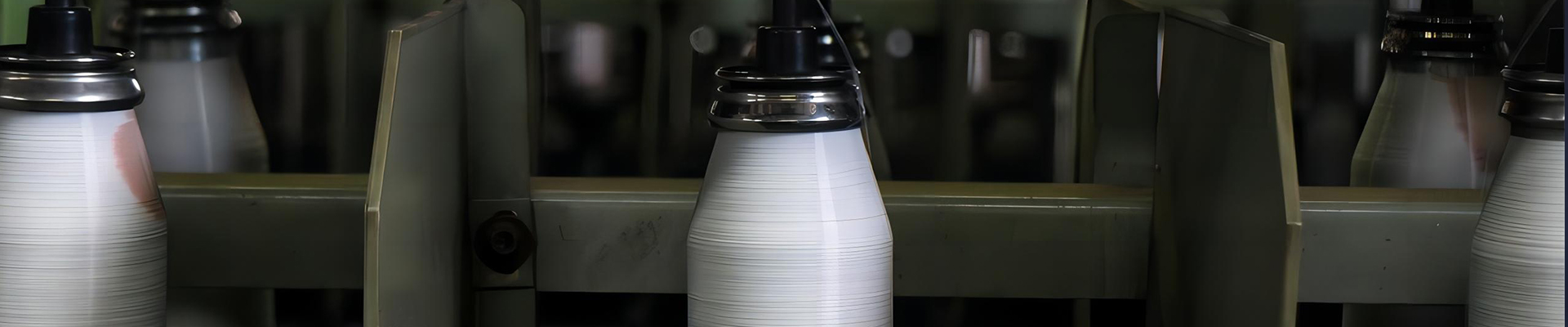


A sock may look perfect yet fail after one wash. Poor elastic control often causes slipping, tight bands, or distorted stitches. Elastic yarn solves these problems when it is selected and fed correctly. In this guide, you will learn a practical process for stable stretch, clean knitting, and reliable recovery.
● Elastic yarn should match the required stretch, recovery, fabric weight, machine gauge, and final wearing pressure.
● Covered constructions protect the elastic core and help it run more smoothly through guides, feeders, and needles.
● Double-covered yarn often suits demanding cuffs, ribs, and waistbands, while lighter constructions fit gentler stretch zones.
● Feed the yarn under controlled tension, but avoid stretching it heavily before it reaches the knitting point.
● Always knit a production sample using the real body yarn, stitch structure, machine speed, and finishing method.
● Measure relaxed size, maximum stretch, recovery, appearance, and comfort before approving a production setting.
● Check guides, feeders, cone winding, and storage conditions when breakage or tension changes appear.
● Record approved settings by yarn lot, machine, feeder position, speed, and finishing process for repeatable results.
Decide what the elastic area must do. A sock cuff needs grip, while a waistband may require wider support. An accessory may only need gentle shape control.
Set targets for fit, stretch, and recovery. The correct choice depends on extension, rebound, and wearing pressure.
Covered elastic yarn usually has a rubber, latex, or spandex core. Polyester or nylon wraps protect it and support smoother knitting.
Single-covered yarn may suit lighter support. Double-covered yarn often provides greater protection and running stability for cuffs, ribs, waistbands, socks, and hosiery.
Check each cone for loose wraps, exposed core, flattened sections, knots, or uneven winding. Damage may cause tension changes and fabric faults.
Stretch a short length by hand. It should extend smoothly and recover without sticking. Keep different lots separated during testing.
Place the cone where it can unwind freely. Guide the yarn through smooth, clean components, avoiding sharp bends.
Use a separate feeder when the elastic yarn needs independent tension control from the body yarn.
Use enough tension to keep feeding stable, but avoid heavy pre-stretch. It can create tight bands and reduce useful recovery.
Watch the yarn path during operation. Jerky movement often signals resistance at the cone, guide, or tension device.
Begin with a moderate setting based on supplier guidance and machine records. Change one variable at a time.
Knit the complete elastic zone using the planned body yarn, stitch density, feeder position, and production speed.
Let the sample relax, then record its width and length. Measure controlled stretch and recovery after several cycles.
Wash and dry it using the planned process. Check shrinkage, sagging, tightness, curling, core exposure, and distortion before production approval.
Tip:Keep a signed reference sample beside the machine so operators can compare stretch, width, and surface quality during production.
The core provides stretch and rebound. The covering protects it from abrasion and supports smoother processing. Polyester and nylon covers can create different strength, handling, and surface characteristics.
Choose materials according to skin contact, washing, finishing heat, and expected product life.
A single cover can provide lower bulk and moderate support. A double cover adds protection and often improves running stability.
The strongest option is not always best. Extra bulk or recovery may make light fabric feel stiff, so confirm performance through sampling.
The yarn color should blend with the elastic zone and avoid show-through. The package must unwind cleanly on the intended equipment. Performance should match machine gauge, fabric density, rib depth, and target pressure.
Selection factor | What to check | Why it matters |
Elastic level | Stretch and recovery target | Controls fit and holding power |
Covering | Single or double | Affects protection, bulk, and stability |
Surface | Smoothness and core coverage | Supports clean feeding and fewer faults |
Package | Cone size and winding quality | Influences tension consistency |
Color | Match under stretched fabric | Reduces visible show-through |
Note:Ask suppliers to recommend samples from your machine details, fabric target, color, and expected order volume.

Elastic yarn helps sock cuffs stay upright during movement. It is often added through selected rib courses. The goal is firm hold without painful pressure marks.
Balanced tension supports clear rib definition. Uneven feeding may create waves, narrow spots, or changing pressure.
Selective placement can improve arch or ankle fit and reduce fabric movement inside footwear. It adds support without tightening the entire product.
Test small changes in course count and tension because both affect comfort.
Waistbands and sleeve cuffs need repeated stretch during dressing and wear. Elastic yarn helps these areas return to shape and resist bagging. Covered yarn also protects the core from direct surface wear.
Match the elastic force to the fabric weight. A strong yarn may overpower a light fabric and create puckering.
Hosiery uses elastic yarn for close fit and shape control. Gloves may use it near the wrist or other holding zones. Ribbons, supports, and selected accessories can use controlled placement for flexible grip.
The same yarn setting should not be copied across every product. Each structure changes how the elastic force spreads through the fabric.
Inspect yarn guides, tension discs, feeders, and contact points. They should be clean and smooth. Dust, lint, grooves, or sharp edges may damage the cover and expose the core.
Confirm the feeder can control a stretch yarn without sudden pulling. Replace worn parts before starting a long run.
Make small tension changes and record each result. Higher tension can increase holding force, but it may also narrow the fabric or reduce comfort. Lower tension may improve softness, yet cause weak recovery.
Evaluate fabric after relaxation rather than judging it only on the machine. Freshly knitted elastic zones often change size after resting.
A sample produced slowly may behave differently at full speed. Run the approved setup under normal production conditions. Watch for cone jumping, irregular unwinding, yarn vibration, breaks, and dropped stitches.
Stable winding supports predictable feeding. Keep the yarn path short, clean, and consistent whenever the machine design allows it.
Document the yarn lot, machine, gauge, feeder, tension position, stitch density, speed, and finishing route. Add sample measurements and acceptance limits.
These records help teams repeat quality across shifts and later orders.
Measure the relaxed fabric, stretch it to the working size, release it, and measure again. Repeat the cycle to reveal recovery loss.
Also test the elastic zone on the intended product shape and wearing area.
Weak recovery may come from low feeding tension, too few elastic courses, poor yarn selection, or heat damage. Check each factor separately. Do not raise tension sharply without testing.
Also confirm the body structure supports the elastic yarn. Loose stitches can reduce holding power even when the yarn has good rebound.
Puckering often means the elastic force is too high for the fabric. Reduce pre-stretch, lower tension gradually, or change elastic placement. A lighter construction may also improve balance.
For tight sock cuffs, test pressure across the full size range. A setting that fits one size may be uncomfortable on another.
Frequent breaks often point to abrasion, tension peaks, poor unwinding, or damaged covering. Inspect every contact point and stop recurring faults before they create major waste.
Problem | Likely cause | First action |
Sagging | Low elastic input | Check tension and course placement |
Tight band | Excessive pre-stretch | Reduce feeding tension gradually |
Uneven width | Irregular unwinding | Inspect cone and yarn path |
Fraying | Rough guide surface | Clean or replace contact parts |
Core exposure | Cover damage | Stop and inspect yarn plus feeder |
Use the real finishing and care process during development. Washing, drying, steaming, or heat setting can change fabric size and elastic recovery. Test several cycles when the product requires repeated home laundering.
Compare the sample with an unwashed control. Check fit, rebound, color, surface damage, and permanent deformation.
Keep cones in a cool, dry, ventilated space. Protect them from direct sunlight, moisture, heat swings, and corrosive materials. Avoid heavy stacking because it may deform packages and disturb unwinding.
Keep opened cones covered when production pauses. Dust can collect on the surface and enter tension devices.
Label every lot clearly and use a consistent stock rotation system. Do not mix lots in one elastic zone without approval. Small differences in winding or performance may become visible after finishing.
Note:Retest stored yarn before production when packaging is damaged or warehouse conditions have moved outside your approved limits.
Using elastic yarn well requires careful selection, controlled feeding, gradual tension changes, and finished-product testing. Longtai supplies covered elastic solutions designed for stable stretch, smooth knitting, and lasting shape. Its customization, sampling, technical support, and related sock-yarn services help manufacturers reduce trials and build more reliable elastic products.
A: Elastic yarn contains a stretch core, often protected by fiber covering.
A: Feed elastic yarn smoothly under moderate, consistent tension.
A: Elastic yarn may break from friction, poor winding, or tension peaks.
A: Price depends on construction, materials, color, testing, and order size.
A: It offers more protection, while single covering can reduce bulk.
A: Reduce pre-stretch, adjust tension slowly, then test the finished sample.