
T: +86-13758587081
E: longtaiyarn@sina.com
E: longtaiyarn@sina.com
Longtai Textile, Building 58, Yuwang Xincun, Datang Street, Zhuji City, Shaoxing City, Zhejiang Province, China.
Views: 0 Author: Site Editor Publish Time: 2026-07-22 Origin: Site


Selecting the wrong specifications for synthetic fibers directly impacts machine efficiency. It damages fabric yield and reduces end-product durability. Excessive pilling and tension breaks during production often point back to foundational material errors. We know spun polyester yarn offers a highly durable alternative to traditional cotton fibers. However, its true performance potential depends entirely on accurately matching the yarn count and ply structure to your specific application. A mismatch here quickly leads to severe manufacturing bottlenecks. It degrades overall textile quality. We see producers waste hundreds of hours recalibrating machines due to incorrect ply selections.
This guide provides a technical decision framework for procurement managers and textile producers. You will learn how to properly evaluate count metrics and ply construction. We will show you how to select the correct yarn specifications based on precise structural requirements. We also explore the critical differences between spinning methods. Applying these principles ensures your end product meets strict quality standards. You avoid costly downtime by sourcing the exact material your machinery requires.
Count dictates fabric weight: Lower counts yield thicker, heavier textiles; higher counts produce finer, lightweight fabrics.
Ply defines structural integrity: Multi-ply yarns exponentially increase tensile strength and reduce pilling compared to single yarns.
Manufacturing alignment: Ring spinning processes yield softer, stronger yarns preferred for apparel, while open-end spinning serves coarser utility applications.
Application matching: Successful procurement requires mapping specific specs (e.g., 20s/2 vs. 32s/1) directly to the end product's tension and abrasion requirements.
Establishing a technical baseline requires understanding standard measurement systems. The industry primarily uses the English Cotton Count (Ne) to evaluate spun polyester. This system measures the relationship between length and weight. It provides a universal standard for assessing textile materials globally. Understanding the Ne standard helps you communicate accurately across international supply chains. We highly recommend standardizing your procurement documents using this specific metric.
Count serves as the primary thickness metric. The Ne system relies on an inverse relationship. A lower number indicates a thicker, heavier yarn. Conversely, a higher number signifies a finer, more delicate strand. For example, a 10s count feels robust and coarse. A 40s count feels exceptionally light and smooth. You must grasp this inverse scale to specify the correct raw materials. A common mistake involves assuming higher numbers mean stronger cables. In textiles, higher counts actually demand more delicate handling during the weaving process.
Ply acts as the core construction metric. It defines how we twist multiple single strands together. Twisting two single strands creates a 2-ply structure. This process fundamentally alters the physical characteristics of the material. It shifts the strand from flexible to highly rigid. Multi-ply constructions lock individual fibers into place. This structural change exponentially increases tensile strength. Best practices suggest analyzing your end product's stress points before deciding on ply count. Single strands work for visual aesthetics. Multi-ply strands do the heavy lifting in structural applications.
Spinning methods also dictate final quality. Many producers prefer ring spun polyester yarn for high-quality apparel. Ring spinning tightly binds the fibers together. It creates a smoother finish compared to open-end alternatives. The tighter twist enhances overall durability. It significantly reduces surface hairiness. Open-end spinning works well for coarser utility applications. It offers higher production speeds. However, ring spinning justifies its typical price premium through superior performance and softer hand-feel. Garment manufacturers rarely regret investing in ring-spun quality. It drastically lowers customer complaints regarding fabric itchiness or premature wear.
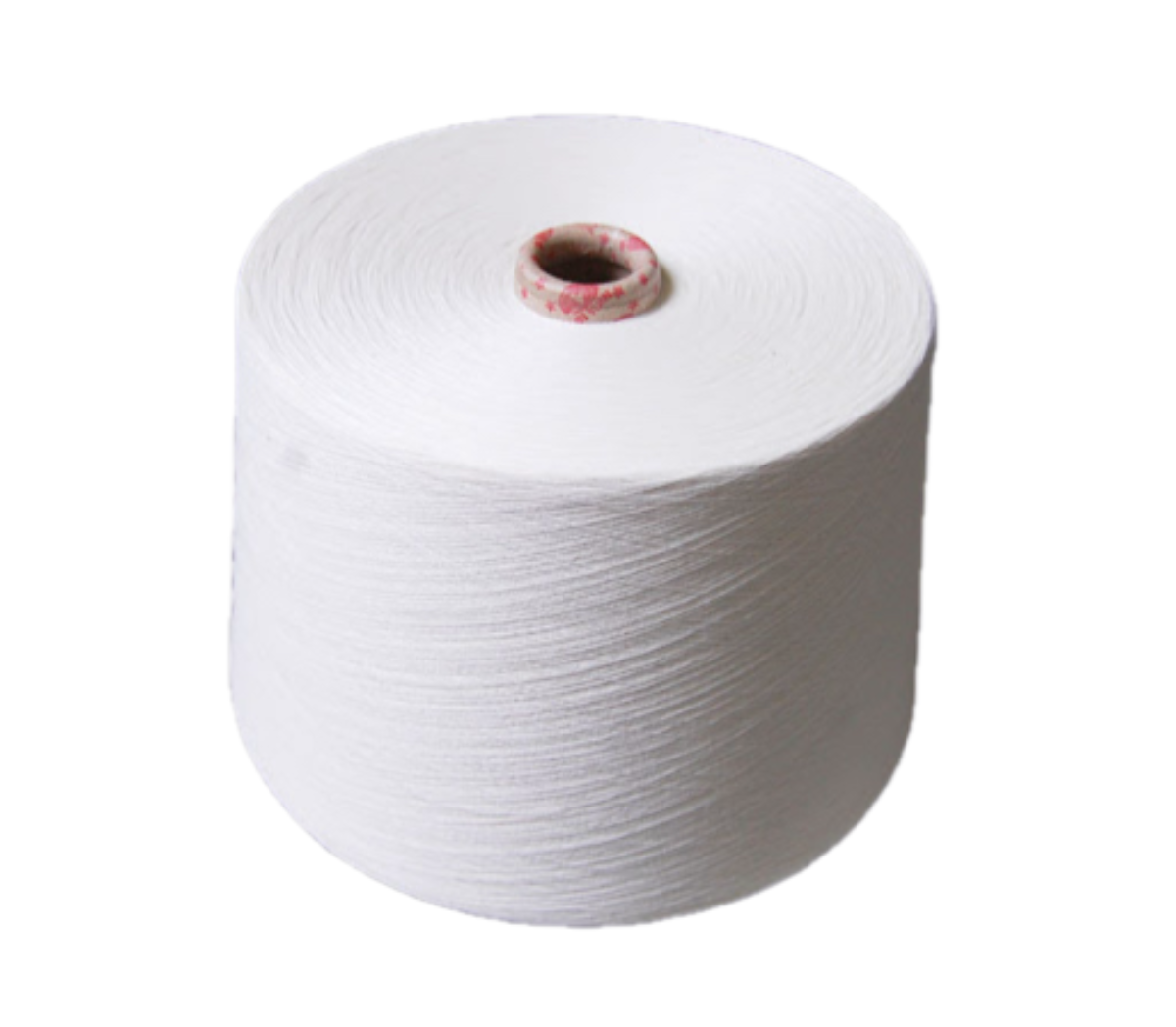
Count selection establishes the absolute foundation for fabric weight. It directly determines the Grams per Square Meter (GSM) of your finished textile. Proper evaluation ensures the fabric meets its intended physical requirements. We utilize a weight-to-count matrix to streamline this selection process.
We categorize counts into distinct functional brackets. Coarse to medium counts range from 10s to 20s. Within this range, we often focus on 20s spun polyester yarn. This specific count delivers exceptional durability and a rigid structure. The ideal outcomes include high abrasion resistance and dimensional stability. You will commonly see these counts in heavyweight workwear. They also excel in canvas, upholstery, and demanding industrial textiles. Manufacturers rely on coarser counts when structural integrity overrides drape. A common mistake is using coarse counts for skin-contact garments. It inevitably causes discomfort and stiffness. You should reserve these robust strands for external wear and protective layers.
Medium to fine counts range from 30s to 40s and above. In this category, manufacturers frequently specify 32s polyester yarn. Finer counts produce remarkably different physical traits. The ideal outcomes include a smooth drape, enhanced breathability, and a comfortable hand-feel. These characteristics suit products worn close to the skin. Primary use cases involve standard apparel and shirting. Lightweight uniforms and premium bedding also depend heavily on finer strands. We advise using these counts when breathability is non-negotiable. Finer strands allow dense weaving patterns. They block wind while letting heat escape.
Yarn Count Range (Ne) | Description & Traits | Primary Fabric Outcome | Common End Uses |
|---|---|---|---|
10s - 16s | Very coarse, highly rigid, low drape | Heavyweight, structured | Denim alternatives, canvas, heavy upholstery |
20s - 24s | Medium coarse, durable, stable | Medium-heavy weight | Workwear, industrial textiles, heavy uniforms |
30s - 32s | Medium fine, balanced strength and softness | Medium-light weight | Standard apparel, shirting, everyday garments |
40s and above | Fine, very soft, highly breathable | Lightweight, flowing drape | Premium bedding, lightweight summer wear |
Ply structure fundamentally dictates how a textile behaves under stress. Understanding these variations helps you optimize both comfort and longevity. Careful selection prevents costly product failures in the field.
Single-Ply (e.g., 32s/1): These configurations prioritize ultimate flexibility. They offer maximum softness and an excellent drape. However, they inherently possess lower tensile strength. Single strands also show a higher susceptibility to pilling during regular wash cycles. These work best for knitted lightweight apparel. In these applications, tactile softness easily outranks extreme durability requirements. Best practice dictates using anti-pilling chemical treatments if you must use single-ply for outerwear.
Two-Ply (e.g., 32s/2 or 20s/2): These constructions provide a robust middle ground. Twisting two strands together balances internal tension. It significantly reduces torque, which prevents unwanted twist distortion in the final fabric. You also gain superior abrasion resistance. Manufacturers use two-ply structures for woven fabrics and high-stress seams. They remain the standard choice for durable commercial garments. We strongly recommend two-ply options for any garment subjected to frequent industrial laundering.
Multi-Ply (3-ply and above): These deliver extreme structural integrity. The twisting process creates a rounder yarn profile. This geometry allows for highly pronounced stitch definition in heavy fabrics. You will find multi-ply configurations in heavy-duty technical textiles. They also dominate carpet manufacturing and specialized industrial uses. When manufacturing automotive interiors, multi-ply strands prevent premature thinning. Avoid using multi-ply for standard clothing. It makes the garment uncomfortably heavy and stiff.
Successful procurement requires matching your material to the exact commercial outcome. This section serves as a practical shortlisting guide for common textile applications. Skipping this alignment phase frequently results in rejected fabric batches.
Sourcing polyester yarn for socks demands strict attention to friction points. Requirements for hosiery include high abrasion resistance. The heel and toe areas endure constant friction inside footwear. Moisture management and rapid stretch recovery are equally critical. Recommended specs typically point toward medium counts ranging from 20s to 32s. A 2-ply configuration is almost mandatory here. The double strand withstands repetitive friction without suffering structural failure. A frequent pitfall is selecting single-ply for hosiery. Single-ply heel sections wear out rapidly inside shoes. You must prioritize abrasion metrics over minor material savings.
Selecting knitting polyester yarn introduces different mechanical challenges. Requirements center on machine compatibility. The material must ensure smooth passage through high-speed knitting machine needles. Consistent tension prevents dropped stitches. Minimal knotting reduces sudden machine stoppages. Recommended specs often utilize single-ply strands for maximum softness. Counts between 30s/1 and 40s/1 work beautifully. Alternatively, you might use specialized ring-spun 2-ply options for structured knits. We must emphasize the need for low-torque properties here. High torque causes fabric skewing, ruining the garment's shape. Best practices involve running a 50-yard test spool. Observe how the fabric rests after leaving the machine. If it twists diagonally, your ply tension is incorrect.
Sportswear and activewear require advanced physiological performance. Requirements blend rugged durability paired alongside lightweight breathability. Athletes need garments capable of enduring intense physical stress while managing sweat. Recommended specs lean heavily toward fine counts. The 32s to 40s range dominates this sector. Finer strands allow for dense moisture-wicking integration. Ultimately, sportswear performance remains heavily dependent on chemical post-treatments applied after the knitting process. However, the yarn itself must handle the chemical bath without degrading. Ensure your chosen specifications explicitly support aggressive dyeing and finishing treatments.
Procurement managers face numerous risks when sourcing synthetic raw materials. You must actively identify subpar products before finalizing bulk orders. Recognizing supplier red flags saves significant time and resources. We encourage visual inspections immediately upon delivery.
Watch out for excessive hairiness on the cone. This indicates poor fiber binding and leads to aggressive pilling. Inconsistent twist multipliers present another major red flag. Variations in twist create weak spots across the strand. Frequent splicing or knots interrupt continuous production. They cause machine snags and increase defect rates. A good supplier limits knots to less than three per standard cone. Anything higher signals poor internal quality control.
Testing and tolerances must remain strictly enforced. We advise buyers to request comprehensive spec sheets before purchasing. Pay close attention to these vital metrics:
Tensile Strength (CSP): Confirm the Count Strength Product meets your baseline requirements. This metric defines the absolute breaking threshold. Low CSP leads to frequent machine stoppages.
Uster Evenness: Ensure the material maintains a consistent diameter throughout the spool. High unevenness ruins fabric appearance. It creates visible thick and thin bands in woven goods.
Elongation Percentages: Verify how much the strand stretches before snapping. This dictates performance under mechanical tension during high-speed knitting.
Moisture Regain: Check how the fibers handle ambient humidity. Consistent moisture properties ensure stable processing conditions on the factory floor.
A rigorous Cost vs. Yield analysis exposes hidden procurement traps. Many assume cheaper raw materials immediately save money. This assumption proves dangerously false in large-scale manufacturing. Inconsistent count and ply directly lead to frequent machine downtime. Defective strands cause rejected fabric batches. These constant interruptions compound quickly. Ultimately, cheap materials drive up higher per-unit production costs. Investing in consistent, verified specifications yields better financial outcomes. We see higher yields easily offset initial raw material premiums. Reliable yarns keep your machines running at maximum efficiency.
Choosing the right synthetic fiber is an exercise in balancing opposing structural needs. You must weigh the fabric weight dictated by the count against the durability provided by the ply. Machine compatibility relies entirely on these careful selections. When you align your specifications properly, you maximize factory output and elevate final garment quality.
Consider these final takeaways:
Align count strictly with your target fabric GSM to ensure correct weight.
Upgrade to two-ply structures whenever abrasion resistance becomes critical.
Enforce strict Uster Evenness standards to prevent surface defects.
Avoid cheap materials causing expensive machine downtime.
We strongly encourage buyers to request physical samples of specific configurations. Ask your supplier for 20s/2 and 32s/2 ring-spun cones. Run comprehensive pilot tests on your proprietary knitting or weaving machinery. Verify the physical performance before committing to any bulk procurement contracts. Real-world testing remains the ultimate proof of quality.
A: The 32s/1 spec is a single strand of 32-count yarn. It offers a much softer hand-feel and excellent drape. Conversely, 32s/2 twists two 32-count strands together. This construction effectively halves the fineness, making it behave similarly to a 16s yarn. However, this two-ply structure exponentially increases tensile strength. It significantly reduces fabric pilling compared to the single strand.
A: Yes, particularly for apparel applications. Ring spinning tightly binds the fibers during manufacturing. This process creates a smoother, stronger yarn. It features far fewer protruding fibers, which means less surface hairiness. This tight construction translates directly into higher-quality, longer-lasting fabrics. The resulting garments feel noticeably softer against the skin.
A: The 30s to 32s range is widely considered the industry sweet spot. This medium-fine count serves perfectly for standard shirting and lightweight apparel. It offers an optimal balance. You achieve excellent durability without sacrificing opacity or comfortable drape. Manufacturers rely on this range for consistent, reliable performance across diverse clothing lines.