
T: +86-13758587081
E: longtaiyarn@sina.com
E: longtaiyarn@sina.com
Longtai Textile, Building 58, Yuwang Xincun, Datang Street, Zhuji City, Shaoxing City, Zhejiang Province, China.
Views: 0 Author: Site Editor Publish Time: 2026-08-30 Origin: Site


Textile manufacturing constantly battles a difficult tension. You must balance optimal elasticity, soft fabric hand-feel, and strict production costs. You cannot compromise the terminal fabric quality. Selecting the wrong yarn processing method often creates serious problems. It leads to inconsistent dyeing, poor stretch recovery, and expensive machine downtime. You need a reliable solution to avoid these pitfalls. Choosing the right air covered yarn requires careful planning. It means aligning precise technical details with your end-product requirements. You must understand how denier choices, draft ratios, and node density impact performance. Furthermore, you need to match these details to specific supplier capabilities. This alignment ensures you produce durable, comfortable garments efficiently. Read on to learn how to master this procurement decision.
Procurement teams face a critical choice when sourcing elastic yarns. You must evaluate alternative covering methods based on production speed, cost-efficiency, and final fabric attributes. This evaluation justifies your procurement choice and protects your margins. Air covered yarn (ACY) provides a compelling balance for many textile applications. It bridges the gap between premium physical wrapping and basic raw filaments.
Evaluating cost versus performance is essential here. ACY relies on compressed air to intermingle fibers. High-pressure air jets tangle the outer filament around the elastane core. This process is faster and cheaper. It allows textile mills to output massive volumes rapidly. Conversely, Spandex Covered Yarn (SCY) physically wraps the core. SCY uses mechanical spindles to twist the outer yarn around the spandex. This physical wrapping costs significantly more. It slows down production speeds. However, SCY delivers more uniform stretch and higher tension tolerance. You must weigh this premium cost against your actual fabric requirements.
Mechanical Covered Yarn (MCY) involves a similar physical wrapping process but often yields a heavier, stiffer product. MCY creates rigid, highly durable yarns suited for heavy-duty applications. ACY provides a stark contrast. It delivers a much softer hand-feel and lighter overall weight. The air intermingling creates a lofty, voluminous texture. This texture feels superior against the skin. Consumers prefer this softness in everyday apparel. While MCY excels in raw durability, it feels too stiff for lightweight activewear or intimates.
Air covered processes deliver excellent returns for mid-to-high-tier consumer textiles. You reduce raw material and processing costs significantly. At the same time, you retain adequate elasticity and fabric softness. ACY provides the optimal balance for fast-fashion and everyday athletic wear. You avoid the slow production bottlenecks of mechanical wrapping. You also prevent the premium pricing associated with traditional single or double-covered yarns.
| Process Type | Production Speed | Cost Efficiency | Fabric Hand-Feel | Stretch Uniformity |
|---|---|---|---|---|
| Air Covered (ACY) | High | Excellent | Soft, Lofty | Moderate to Good |
| Spandex Covered (SCY) | Low | Poor | Smooth | Excellent |
| Mechanical Covered (MCY) | Low | Moderate | Stiff, Heavy | High |
Selecting the right materials requires mapping technical specs to desired manufacturing outcomes. You cannot buy these materials blindly. Evaluating proper air covered yarn specifications ensures your knitting machines run smoothly. It also guarantees your final fabric meets consumer expectations. You must focus on three primary technical evaluation criteria.
The denier ratio defines the yarn's physical properties. You must evaluate the ratio of the outer filament to the core. The outer filament usually consists of Nylon or Polyester. The core consists of Spandex or Lycra. A common standard configuration might be 20D Spandex combined with 70D Nylon. This standard combination targets medium-weight fabrics.
However, custom denier configurations become necessary based on specific fabric weight targets. If you design sheer hosiery, you need much finer deniers. If you weave heavy winter leggings, you require thicker core and filament ratios. Choosing the wrong denier causes fabrics to feel either too flimsy or overly bulky.
The draft ratio determines the yarn's stretch capability. You must calculate the necessary draft ratio for the spandex core carefully. During production, machines stretch the spandex before the air jet tangles the outer filament around it.
If you set the draft ratio too high, the core suffers structural failure. It will snap under tension. If you set it too low, the fabric lacks the necessary elasticity. It will bag and sag after a few washes.
Air nodes hold the yarn together. You must assess the frequency and stability of these intermingling nodes. The air jet creates tiny knots along the yarn's length. We call this network density. High node consistency is strictly non-negotiable.
If nodes are too far apart, the spandex core becomes exposed during high-speed weaving. Exposed spandex catches on knitting needles. It breaks and causes immediate machine jams. You must require suppliers to guarantee a specific number of stable nodes per meter. This ensures the yarn survives the rigorous tensions of modern circular knitting machines.
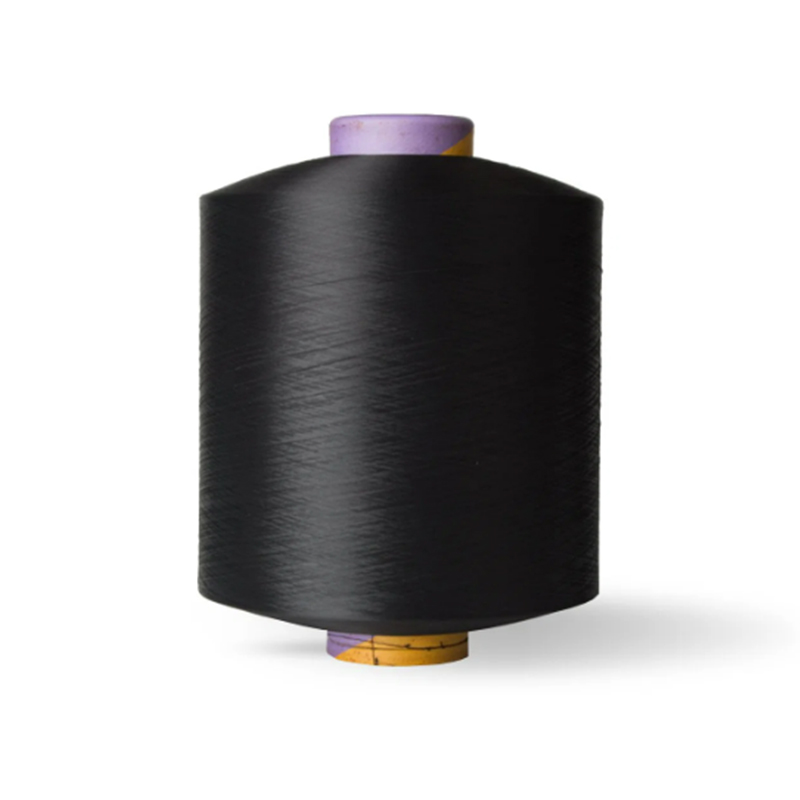
You cannot use a universal yarn for every garment type. You must map custom configurations to terminal product categories. Different apparel demands entirely different performance characteristics. You often need customized high elastic air covered spandex to meet these specific requirements. Below are three major applications and their technical demands.
Athletes push their clothing to the limits. Activewear requires extremely high stretch recovery. When a runner squats or jumps, the fabric must stretch instantly. It must then recover its original shape without bagging at the knees. These garments also demand superior moisture wicking and a smooth surface texture. Custom spandex configurations using finer nylon filaments help achieve this smooth touch. The yarn must withstand aggressive body movements while managing sweat efficiently.
Footwear applications present a unique challenge. You must balance lightweight deniers with tough durability. Socks undergo repetitive stretch resilience every time a consumer puts them on. The heel and toe areas endure severe friction. For these items, manufacturers blend durable polyester outers with highly resilient spandex cores. The nodes must be exceptionally tight. Loose nodes in sock manufacturing lead to instant run-defects and exposed elastic bands.
Modern consumers demand comfort in rigid clothing. Denim and woven textiles traditionally lacked stretch. Today, mills use specific ACY blends to provide rigid fabrics with comfort stretch. The primary goal is maintaining dimensional stability. You want the jeans to give slightly when the user sits, but they must not warp or lose their silhouette. A lower draft ratio and thicker outer filament help protect the core while providing this subtle, controlled elasticity.
Adopting any new yarn introduces manufacturing risks. You must address common production pitfalls before they scale into expensive disasters. Implementing strict quality control factors protects your assembly line. Let us explore the most pressing implementation risks.
Dyeing defects cause massive financial losses. The Barré effect is a prominent issue. It appears as unwanted horizontal stripes across finished fabrics. Fluctuating air pressure during yarn production usually causes this. Uneven air pressure creates irregular node density. When the node density varies, the yarn absorbs dye unevenly.
Common Mistake: Pushing bulk yarn straight into mass dyeing without testing.
Best Practice: Always conduct a sample dye test. Check for uniform color uptake across a knitted sleeve before approving the entire batch. Consistent air pressure at the supplier level prevents this defect entirely.
Tension control dictates knitting speed. Evaluating cone build and winding tension is vital. If the supplier winds the yarn cone too tightly, the yarn stretches permanently on the spool. If wound too loosely, the yarn falls off the cone and tangles. Both scenarios prevent smooth unwinding. Poor unwinding tension causes breaks and snags during knitting or weaving. These breaks halt production machines, leading to costly downtime.
Never skip the pilot phase. Establish a rigid testing protocol for any new yarn delivery.
This systematic testing protocol shields your business from catastrophic production failures. It confirms the yarn specs match your machinery.
Sourcing high-quality materials requires a rigorous vendor auditing process. Vetting a reliable air covered yarn supplier involves checking their factory floor protocols. You need criteria for auditing a B2B supplier to ensure scalable, consistent quality. You should evaluate four critical operational areas.
The machinery dictates the yarn quality. Assess the age and brand of their air-covering machinery. Industry-leading brands like Barmag or SSM (Scharer Schweiter Mettler) indicate serious manufacturing intent. Modern machines maintain precise air pressure. They ensure node stability and output consistency. Older, poorly maintained machines produce uneven nodes. Ask the supplier about their maintenance schedules and machinery upgrades.
Your product lines will evolve. Your supplier must evolve with you. Determine if the supplier can engineer customized spandex profiles. Can they adjust draft ratios specifically for your proprietary fabric blends? Off-the-shelf yarn works for basic garments, but premium brands need specialized blends. A flexible supplier acts as an engineering partner, not just a raw material warehouse.
Modern consumers demand safe, sustainable textiles. You must require verification of global compliance standards.
Do not accept verbal confirmations. Request their current certificate numbers and verify them through official databases.
A supplier must match your business rhythm. Evaluate their Minimum Order Quantities (MOQs) against your pilot requirements. Some suppliers demand massive MOQs that stifle your R&D efforts. Conversely, assess their capacity to scale up. When you hit peak season runs, can they deliver ten times the volume without extending lead times? Reliable supply chains require both low-barrier entry for testing and massive output capacity for successful product launches.
| Evaluation Metric | Minimum Expectation | Ideal Standard (Premium Supplier) |
|---|---|---|
| Machinery Age/Brand | Functioning, mixed brands | Modern SSM/Barmag setups |
| Certifications | Local safety compliance | OEKO-TEX 100 & GRS verified |
| Customization | Standard denier catalogs | Bespoke draft & node engineering |
| Testing Protocol | Basic visual inspection | In-house tension & dye uniformity tests |
Sourcing ACY is not a simple commodity purchase. It requires matching draft ratios, node density, and specific yarn blends to exact machine gauges and fabric goals. Understanding the technical nuances between air covered, spandex covered, and mechanical covered yarns protects your production efficiency. Choosing incorrect specifications leads directly to dyeing defects and knitting jams.
To move forward successfully, procurement teams must take immediate action. First, finalize your technical spec sheet based on your fabric's stretch and weight targets. Second, request standardized sample cones from shortlisted suppliers. Finally, conduct internal tension, unwinding, and dye tests before authorizing bulk purchase orders. Rigorous upfront testing guarantees superior garment quality down the line.
A: The standard draft ratio for activewear typically ranges between 2.5 and 3.5. This range depends heavily on the garment's compression needs. High-compression leggings require a higher draft ratio to maximize stretch resistance. Looser athletic shirts use a lower ratio for comfort. Always test the ratio on your specific knitting machines.
A: Yes, it can be dyed evenly, provided the yarn has stable air nodes. Consistent air pressure during manufacturing ensures uniform node density. If node density fluctuates, the yarn absorbs dye unevenly, causing the Barré effect. Consistent tension during winding also prevents unwanted color variations across the fabric.
A: Standard off-the-shelf ACY usually requires low MOQs, often around 300 to 500 kilograms. Custom spinning runs demand higher MOQs. Suppliers typically require 1,000 to 3,000 kilograms for custom draft ratios or specialized denier blends. This covers the cost of resetting and calibrating their air-jet machinery for a unique batch.
A: Node density directly impacts knitting efficiency. Nodes lock the outer filament to the spandex core. If nodes are too loose or infrequent, the spandex core becomes exposed during high-speed knitting. Exposed spandex catches on needles, leading to breaks, severe machine jams, and ruined fabric panels.