T: +86-13758587081
E: longtaiyarn@sina.com
E: longtaiyarn@sina.com
Longtai Textile, Building 58, Yuwang Xincun, Datang Street, Zhuji City, Shaoxing City, Zhejiang Province, China.
Views: 0 Author: Site Editor Publish Time: 2026-01-16 Origin: Site


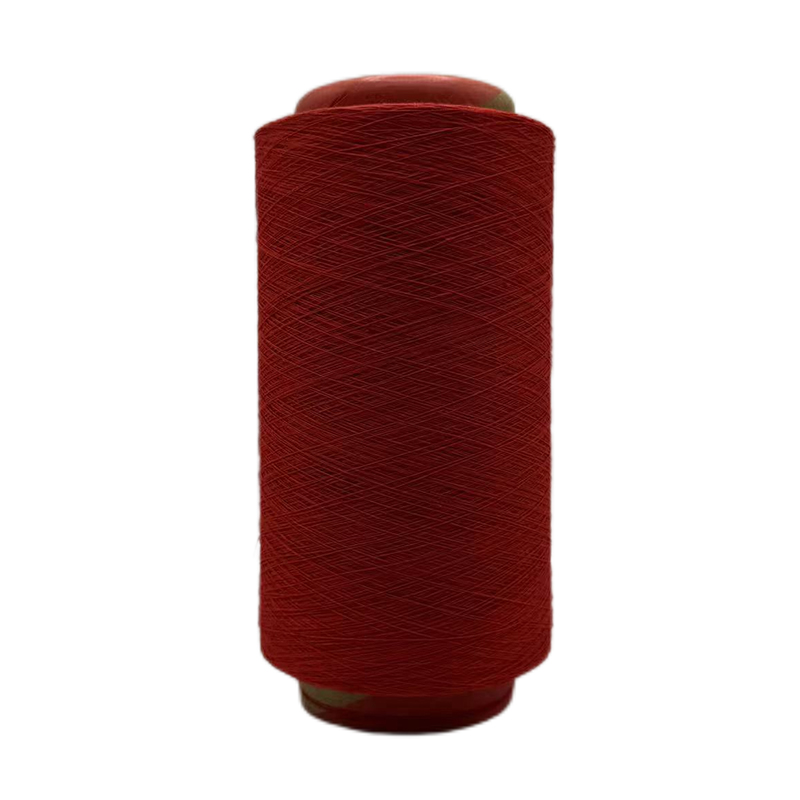
The fashion industry is shifting towards sustainability, with eco-conscious products becoming a top priority. Recycled yarn, made from waste materials like plastic bottles and old garments, is at the forefront of this transformation. By using recycled yarn, brands can reduce their environmental impact while still offering high-quality, stylish products.
In this article, we'll explore the best recycled yarn suppliers, highlighting their contributions to sustainable fashion. You'll learn about the benefits of recycled yarn and how top suppliers are leading the way in creating eco-friendly textiles.
Recycled yarn is a sustainable alternative to traditional yarn, produced by recycling waste materials like plastic bottles, textiles, and industrial scraps. The process starts with collecting these materials, which are sorted, cleaned, and shredded into fibers. These fibers are then spun into yarn, ready for use in textile production.
| Step | Description |
| Collection | Gathering used materials (e.g., plastic bottles, cotton fabric, or industrial textile waste) |
| Cleaning | Removing dirt, labels, and other impurities |
| Shredding | Breaking down materials into small fibers |
| Spinning | Converting the shredded fibers into yarn |
| Finishing | Treating and dyeing the yarn, making it ready for textile manufacturing |
This process not only recycles waste but also reduces the environmental impact associated with manufacturing new fibers. The key steps in recycling yarn ensure that valuable materials are given a second life, helping to reduce landfill waste and promote sustainability.
Several types of recycled yarn are available, each with its distinct properties suited to different applications:
● Recycled Polyester Yarn: Made from discarded plastic bottles, this yarn is durable and often used in activewear, home textiles, and fashion garments.
● Recycled Cotton Yarn: Sourced from leftover cotton fabrics or used clothing, it is popular for denim production and eco-friendly apparel.
● Recycled Nylon Yarn: Made from waste such as fishing nets, it is used in swimwear and outdoor gear due to its strength and moisture-wicking properties.
● Recycled Blend Yarn: A combination of different recycled fibers like cotton and polyester, ideal for creating unique textures in knitted fabrics and accessories.
Using recycled yarn significantly reduces the environmental footprint of the fashion industry. It helps lower the demand for virgin materials, reduces landfill waste, and decreases the energy-intensive processes of fiber production. Furthermore, recycling yarn reduces water consumption and prevents the release of microplastics into the environment. By opting for recycled yarn, brands can directly contribute to reducing the fashion industry's overall environmental impact.
| Benefit | Impact of Recycled Yarn |
| Waste Reduction | Diverts materials from landfills and oceans |
| Energy Conservation | Requires less energy than virgin yarn production |
| Water Conservation | Reduces water usage compared to traditional methods |
| Carbon Emissions | Lower carbon footprint due to reduced resource extraction |
Recycled yarn is not just an environmental solution; it also offers economic benefits. Consumers are increasingly leaning toward eco-conscious brands, with sustainability becoming a major deciding factor in purchasing decisions. For businesses, incorporating recycled yarn into their production lines can enhance brand reputation and open new market opportunities. As more brands adopt sustainable practices, the demand for recycled yarn continues to rise, offering economic benefits while contributing to global sustainability goals.
The widespread adoption of recycled yarn plays a crucial role in achieving global sustainability targets. As the fashion industry moves towards circularity, using recycled materials helps close the loop, ensuring that garments and textiles are either reused or recycled at the end of their life. This aligns with international efforts to reduce waste, carbon emissions, and the extraction of non-renewable resources.
Consumers today are more aware of the environmental impacts of their purchasing decisions. As climate change becomes an urgent global issue, shoppers are increasingly opting for brands that prioritize sustainability. Recycled yarn is quickly becoming a key material for eco-conscious consumers, who want to support brands that offer environmentally responsible options.
● Example: Brands like Longtai have recognized this shift and embraced recycled materials, such as PET bottles and cotton, in their yarn production. This forward-thinking approach aligns with the rising demand for sustainable fashion.
As consumer demand for sustainable fashion increases, brands are compelled to prioritize eco-friendly materials. Recycled yarn has become a crucial component in this shift, allowing companies to meet consumer expectations while reducing their environmental footprint. Brands that adopt recycled yarn are not only aligning with current trends but also gaining a competitive edge in a rapidly evolving market.
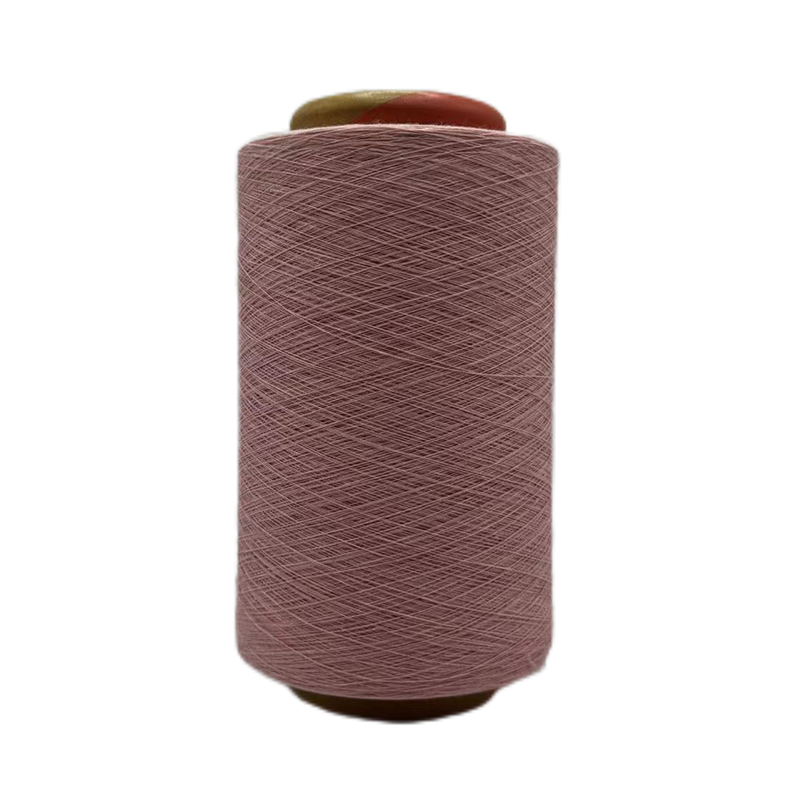
Several companies are leading the charge in providing high-quality recycled yarn for sustainable fashion. These suppliers have mastered the art of recycling textile waste into durable and fashionable yarns. Some of the key players include:
● Zhuji Longtai Import & Export Co., Ltd.: Specializes in producing yarn from recycled materials such as PET bottles and cotton, ensuring high-quality products with minimal environmental impact.
● Hebei Weaver Textile Co., Ltd.: A Chinese supplier offering a variety of recycled yarns made from nylon and polyester.
● Filpucci: Known for producing luxury recycled yarns from post-consumer waste, contributing to high-end sustainable textiles.
Longtai stands out for its dedication to sustainable production practices. By using recycled PET bottles, cotton, and nylon in their yarn production, they contribute to reducing waste and conserving resources. Longtai’s focus on eco-friendly manufacturing processes and high-quality recycled yarn aligns with the growing consumer demand for sustainable fashion. Brands that choose Longtai’s yarn can confidently offer products that meet environmental standards while maintaining superior quality.
Hebei Weaver Textile Co., Ltd. is a leading supplier of recycled yarn in China. They produce high-quality recycled yarn from various materials, including waste fishing nets, with a commitment to sustainable production.
Other suppliers in Europe and North America are also contributing to the global growth of recycled yarn, helping to drive the shift toward more sustainable fashion.
Recycled polyester yarn, often made from discarded plastic bottles, is one of the most popular options in sustainable fashion. Its durability and versatility make it ideal for activewear, home textiles, and even outerwear. The ability to recycle polyester yarn reduces the need for virgin polyester, cutting down on both waste and resource consumption.
Recycled cotton yarn is made from textile waste, such as leftover fabric or old garments. It is commonly used in the production of denim, t-shirts, and other casual apparel. This yarn helps prevent cotton from ending up in landfills while offering a soft and breathable alternative for consumers seeking sustainable clothing options.
Recycled nylon yarn, often made from discarded fishing nets, is perfect for activewear and swimwear. It is lightweight, durable, and moisture-wicking, making it ideal for high-performance applications. By reusing nylon waste, brands can help reduce ocean pollution and minimize the carbon footprint associated with nylon production.
Recycled blend yarns combine various fibers such as cotton, polyester, and nylon to create unique textures and properties. These blends offer versatility, making them suitable for a wide range of applications, from knitted fabrics to scarves and accessories.
| Yarn Type | Material Source | Common Applications |
| Recycled Polyester | PET Bottles | Activewear, Home Textiles, Outerwear |
| Recycled Cotton | Textile Waste, Old Garments | Denim, T-shirts, Casual Apparel |
| Recycled Nylon | Fishing Nets, Fabric Waste | Activewear, Swimwear |
| Recycled Blend | Cotton, Polyester, Nylon | Knitted Fabrics, Scarves, Accessories |
When choosing a supplier for recycled yarn, it is essential to evaluate their sustainability practices. Look for suppliers that adhere to environmental certifications such as GRS (Global Recycled Standard) and OEKO-TEX. These certifications ensure that the yarn is produced sustainably and that the materials used are of high quality.
Reputable suppliers should have recognized certifications that demonstrate their commitment to sustainability. Certifications such as GRS, OEKO-TEX, and the Global Recycled Standard (GRS) help ensure that the recycled yarn meets environmental and ethical standards.
To ensure the quality of recycled yarn, choose suppliers who offer transparency in their supply chains. Verify that the raw materials are sourced ethically and that the production process is monitored for consistency and quality.
| Criteria | Detail |
| Sustainability Practices | Ensure the supplier adheres to environmental certifications like GRS and OEKO-TEX. |
| Certifications | Look for recognized certifications, such as GRS and OEKO-TEX, indicating sustainability and ethical standards. |
| Quality Assurance | Choose suppliers with transparent supply chains and verified raw material sourcing. |
Recycled yarn is crucial to the future of sustainable fashion, meeting the growing demand for eco-friendly products. As consumers prioritize sustainability, recycled yarn helps brands reduce their environmental impact while offering stylish options. Choosing a reputable supplier like Zhuji Longtai Import & Export Co., Ltd. ensures the use of high-quality, eco-conscious materials. Their commitment to sustainability makes them a reliable partner for fashion brands looking to create environmentally friendly products.
A: Recycled yarn is made from waste materials like plastic bottles, cotton garments, and fabric scraps. It's important for sustainable fashion because it reduces the need for virgin materials, lowers environmental impact, and supports a circular economy by repurposing waste into valuable textiles.
A: Recycled yarn is produced by collecting post-consumer and post-industrial waste, cleaning, shredding, and then spinning it into new yarn. This process conserves resources and energy compared to producing virgin yarn.
A: Recycled yarn offers environmental benefits by reducing waste, conserving water and energy, and lowering carbon emissions. It allows fashion brands to create eco-conscious products without sacrificing quality or style.
A: While the price of recycled yarn may vary, it is generally more affordable compared to virgin yarn when considering its environmental benefits. Many suppliers, like Zhuji Longtai Import & Export Co., Ltd., offer competitive pricing without compromising on quality.
A: Choose a supplier committed to sustainability and quality, such as Zhuji Longtai Import & Export Co., Ltd., which uses eco-friendly materials like recycled PET bottles and cotton. Check for certifications, ethical practices, and transparency in their supply chain.
A: Yes, recycled yarn can be used for a wide range of clothing items, including activewear, denim, home textiles, and accessories. Its versatility makes it a popular choice for sustainable fashion brands.