
T: +86-13758587081
E: longtaiyarn@sina.com
E: longtaiyarn@sina.com
Longtai Textile, Building 58, Yuwang Xincun, Datang Street, Zhuji City, Shaoxing City, Zhejiang Province, China.
Views: 0 Author: Site Editor Publish Time: 2026-03-13 Origin: Site


Have you ever noticed how some dresses seem to float as people walk?
That graceful movement often comes from chiffon fabric. Designers love it because it feels light, soft, and elegant. Chiffon fabric is one of the most recognizable lightweight textiles in fashion today. You can see it in evening gowns, wedding dresses, scarves, and layered garments. Its airy structure and flowing drape help create clothing that looks both stylish and comfortable. Behind this delicate fabric stands a complex textile supply chain. Yarn quality, weaving technology, and reliable material suppliers all influence the final result. Companies such as Longtai, based in Zhejiang, China, help support this process by providing yarn materials like polyester yarn, nylon thread, and recycled yarn used in fabric production.
In this article, we will explore what chiffon fabric is, how it is made, and why it is so widely used. You will also learn its pros, cons, and common applications in modern fashion and textile design.
Chiffon fabric is a lightweight, sheer textile known for its delicate appearance and flowing drape. It belongs to the plain-weave fabric family and is produced using tightly twisted yarns. These twisted fibers create a slightly textured surface that gives chiffon its signature softness and subtle elasticity.
At its core, chiffon fabric is defined by three main characteristics:
● Lightweight structure
● Semi-transparent appearance
● Soft, flowing drape
Because of these features, chiffon garments often appear airy and elegant. Designers frequently use it for layered garments and flowing silhouettes.
The name “chiffon” comes from a French word meaning cloth or rag, yet today it represents one of the most elegant fabrics in the fashion world.
Chiffon can be produced from both natural and synthetic fibers. Each fiber changes the feel, price, and durability of the final textile.
Common chiffon materials include:
Fiber Type | Characteristics | Typical Use |
Silk | Soft, luxurious texture | Bridal gowns, luxury fashion |
Polyester | Durable and affordable | Everyday dresses and blouses |
Nylon | Strong and lightweight | Structured garments |
Rayon | Smooth texture and fluid drape | Fashion apparel |
Synthetic fibers, especially polyester, dominate modern chiffon production because they offer strength and affordability. In addition, many manufacturers now incorporate recycled yarn into synthetic fabrics to improve sustainability while maintaining fabric performance.
What makes chiffon fabric special is its weaving technique.
Manufacturers use highly twisted yarns woven in a balanced plain weave pattern. These yarns twist in alternating S-twist and Z-twist directions. This tension between twists produces the slightly puckered texture that chiffon is known for.
This structure also helps the fabric maintain strength even though it feels extremely light.
Chiffon fabric stands out because of several recognizable features:
● Semi-transparent surface
● Lightweight and breathable structure
● Elegant drape and movement
● Slightly textured or grainy feel
● Soft shimmer depending on fiber type
Because of these qualities, chiffon fabric remains a top choice for garments that require movement, softness, and visual elegance.
Designers and manufacturers choose chiffon fabric because it combines elegance and flexibility. It offers many visual advantages in fashion design, while also requiring some consideration during garment construction.
Elegant and Flowing Appearance
Chiffon fabric is known for its graceful drape. The material moves smoothly when worn, creating soft and romantic silhouettes in dresses, skirts, and layered garments. Because of this flowing effect, designers often use chiffon in evening wear and bridal collections.
Lightweight and Breathable Comfort
Chiffon fabric is extremely light and allows air to circulate easily. This breathable structure keeps garments comfortable in warm weather, making chiffon a popular choice for summer clothing such as blouses, dresses, and scarves.
Versatile for Fashion Design
Chiffon works well in many garment styles. Designers often use it to create ruffles, pleats, layered skirts, and soft decorative sleeves. These design techniques help garments appear more dynamic and visually elegant.
Flexible Fiber Options
Manufacturers can produce chiffon using different fibers such as silk, polyester, or nylon. Silk chiffon offers a luxurious feel, while polyester chiffon provides durability and affordability for large-scale clothing production.
Delicate Sewing Process
Chiffon fabric is lightweight and slightly slippery. During garment production, cutting and sewing may require careful handling to maintain smooth fabric alignment.
Semi-Transparent Structure
Because chiffon fabric is naturally sheer, many garments include layered designs or lining fabrics. This allows designers to keep the elegant appearance while improving coverage.
Requires Gentle Care
To maintain the softness and drape of chiffon fabric, garments are usually washed with gentle cleaning methods and low heat ironing.
Although chiffon shares common characteristics, different fiber types create distinct fabric varieties.
Silk chiffon is the most luxurious version. It feels extremely soft and drapes beautifully.
Designers often use silk chiffon in:
● Bridal gowns
● Couture dresses
● Luxury evening wear
Its natural shine and smooth texture make it ideal for high-end fashion.
Polyester chiffon is the most common type today. It offers durability, affordability, and easier maintenance.
Because of these advantages, polyester chiffon is widely used for:
● Ready-to-wear clothing
● Blouses
● Dresses
● Fashion accessories
Nylon chiffon provides additional strength compared to other types.
Manufacturers use it when garments require:
● Extra durability
● Lightweight structure
● Slight sheen
It works well in dancewear and structured fashion designs.
In addition to traditional types, designers often explore specialty chiffon fabrics to achieve unique visual effects in fashion collections. These variations keep the lightweight and flowing qualities of chiffon while adding decorative or functional features. Some styles enhance flexibility, while others focus on color effects or custom patterns that stand out on the runway or in retail collections.
The following table highlights several commonly used specialty chiffon fabrics and their key characteristics.
Type of Specialty Chiffon | Key Feature | Typical Fashion Effect |
Stretch Chiffon | Includes elastane fibers | Adds flexibility and improved garment comfort |
Iridescent Chiffon | Reflects light in different angles | Creates shimmering, luminous visual effects |
Ombre Chiffon | Gradual color transition across the fabric | Produces soft gradient tones in dresses and scarves |
Printed Chiffon | Customized prints and patterns | Allows creative designs for fashion collections |
These specialty fabrics allow designers to experiment with texture, movement, and color in new ways. As a result, chiffon remains a versatile material for both modern fashion collections and creative garment designs.
Chiffon fabric appears across many areas of fashion and textile design.
The flowing nature of chiffon makes it perfect for formal garments.
Common examples include:
● Wedding dresses
● Bridesmaid dresses
● Evening gowns
● Bridal veils
The fabric’s airy drape helps create romantic and elegant silhouettes.
Chiffon is not limited to formal wear. Many everyday garments use chiffon as well.
Examples include:
● Lightweight blouses
● Summer dresses
● Skirts
● Lingerie
Its breathable structure keeps garments comfortable while still looking stylish.
Chiffon also works well for accessories because of its soft texture.
Popular chiffon accessories include:
● Scarves
● Shawls
● Hijabs
● Hair ribbons
These items benefit from the fabric’s lightweight feel.
Chiffon fabric also plays an important role in event design. Its transparency and drape make it perfect for decorative textiles.
Common decorative uses include:
Application | Purpose |
Wedding drapes | Create elegant ceremony backdrops |
Stage decorations | Add soft flowing visual elements |
Curtains | Provide light filtering effect |
Table overlays | Enhance decorative table settings |
These uses demonstrate how chiffon fabric extends beyond fashion into interior and event design.
Choosing the correct chiffon fabric depends on several factors including fiber type, garment design, and supplier quality.
Each fiber type serves a different purpose.
● Silk chiffon – luxury garments and bridal fashion
● Polyester chiffon – everyday clothing and large-scale production
● Nylon chiffon – durable or structured garments
Selecting the correct fiber ensures both performance and cost efficiency.
Fabric weight and drape influence garment structure.
For example:
● Lightweight chiffon works best for flowing dresses and layered garments
● Slightly heavier chiffon supports structured blouses and sleeves
Designers often test several fabric samples before final production.
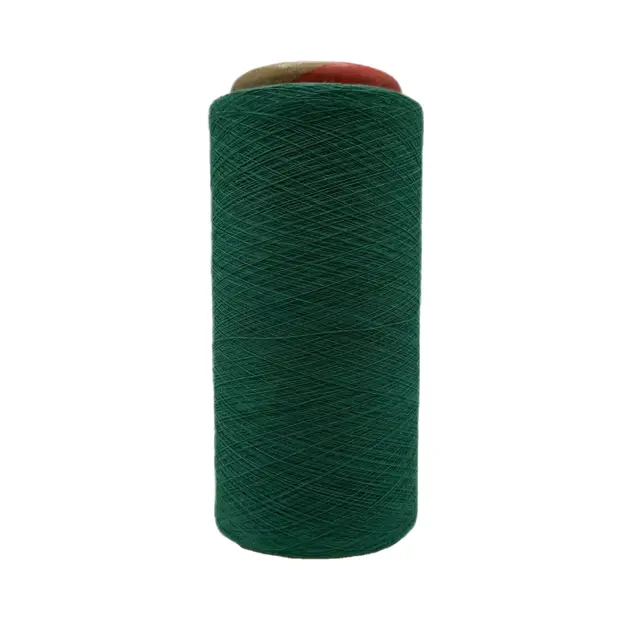
The quality of chiffon fabric starts with the yarn.
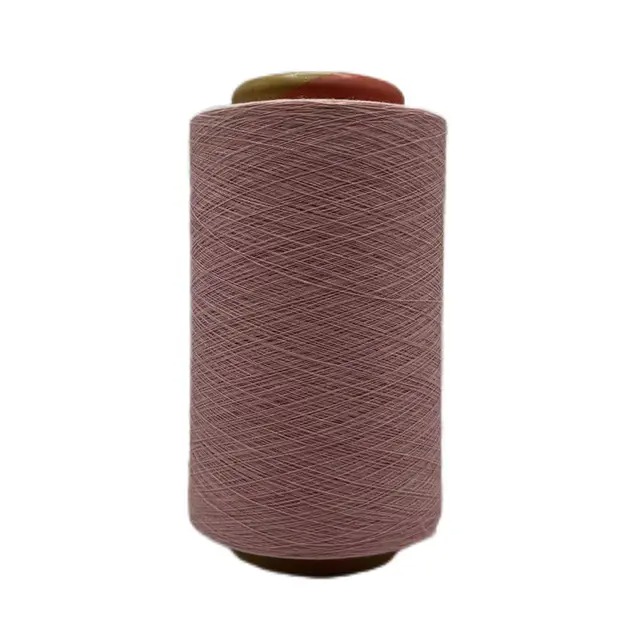
Manufacturers rely on trusted suppliers for materials such as polyester yarn, nylon thread, blended yarn, and recycled yarn used in modern textile production.
Companies like Longtai provide these raw materials along with specialized textile machinery. Access to high-quality yarn ensures consistent weaving performance and reliable fabric quality across large production runs.
Tip: When sourcing chiffon fabric for large collections, review yarn specifications and production capabilities from suppliers before committing to bulk orders.
Proper care helps chiffon garments maintain their beauty and structure.
Because chiffon fabric is delicate, gentle cleaning is recommended.
Best practices include:
● Hand washing in cold water
● Using mild detergent
● Avoiding harsh scrubbing
This helps protect the twisted yarn structure.
After washing, lay the fabric flat on a clean towel and allow it to air dry.
Avoid high heat because it may weaken synthetic fibers.
If ironing is necessary:
● Use a low temperature
● Place a cloth between the iron and the fabric
Proper storage also extends garment lifespan.
Recommended storage methods include:
● Hanging garments on padded hangers
● Using breathable garment bags
● Avoiding direct sunlight exposure
Note: Rolling chiffon garments rather than folding them can help prevent deep creases during long-term storage.
Several lightweight fabrics resemble chiffon but differ in structure and texture.
Georgette fabric also uses twisted yarns but has a slightly heavier feel. Both fabrics belong to the lightweight textile family and are often used in dresses and fashion apparel. However, their texture and drape create different visual effects in garments.
Key difference:
● Chiffon – softer and more transparent
● Georgette – grainier texture and slightly thicker
Organza and chiffon both appear sheer, but their structure differs significantly. The yarn tension and weaving style affect how the fabric behaves when used in clothing.
● Organza – stiff and structured
● Chiffon – soft and flowing
Organza works better for structured garments such as ball gowns, while chiffon suits designs that require movement and softness.
Voile fabric is another lightweight textile often used in clothing and home textiles. It shares a breathable quality with chiffon but differs in fiber composition and appearance.
However:
● Voile usually uses cotton fibers
● It has a softer texture but less transparency
Chiffon fabric remains one of the most elegant and versatile materials in modern fashion. Its lightweight structure and flowing drape create garments that look soft, graceful, and comfortable. Designers often use chiffon in wedding dresses, evening gowns, scarves, and many everyday clothing styles. Its ability to move naturally makes it ideal for designs that require beauty and fluid motion.
Behind these garments stands a reliable textile supply chain. High-quality yarn plays a key role in producing stable chiffon fabrics. Zhuji Longtai Import & Export Co., Ltd. supports this process by supplying polyester yarn, blended yarn, nylon thread, and recycled yarn used in textile manufacturing. Their products help ensure consistent fabric quality and efficient production, providing practical value for designers, manufacturers, and fashion brands worldwide.
A: Chiffon fabric is usually made from highly twisted yarns woven in a plain weave structure. It can be produced using silk, polyester, nylon, or rayon fibers. Modern textile manufacturers sometimes use recycled yarn in synthetic versions to improve sustainability while maintaining fabric strength.
A: Chiffon fabric is popular because it is lightweight, breathable, and visually elegant. Designers often use it for dresses, scarves, and evening wear since the fabric drapes smoothly and creates graceful movement when worn.
A: Chiffon fabric is widely used in bridal gowns, evening dresses, blouses, and fashion accessories like scarves. It is also used for decorative textiles such as event draping and curtain overlays because its sheer texture adds elegance.
A: The price of chiffon fabric depends on the fiber used. Silk chiffon is usually more expensive due to its natural fibers and luxury feel. Polyester chiffon made from synthetic or recycled yarn is generally more affordable and commonly used in mass-produced clothing.
A: The main advantages of chiffon fabric include its elegant drape, lightweight structure, and design versatility. However, it is delicate and slightly transparent, so garment production often requires careful sewing techniques or layered designs.
A: Compared to fabrics like organza or georgette, chiffon fabric is softer and more fluid. Organza tends to be stiffer, while georgette is slightly heavier. Chiffon remains a preferred option when designers want a soft, flowing appearance in garments.