T: +86-13758587081
E: longtaiyarn@sina.com
E: longtaiyarn@sina.com
Longtai Textile, Building 58, Yuwang Xincun, Datang Street, Zhuji City, Shaoxing City, Zhejiang Province, China.
Views: 0 Author: Site Editor Publish Time: 2026-03-16 Origin: Site


Have you ever worn a fabric that feels like silk but costs far less? Many people experience this comfort without realizing the material is rayon fabric. It appears in dresses, shirts, bedding, and decorative textiles across the world. Its soft touch, light weight, and smooth drape make it a favorite in modern fashion and home products. Rayon fabric comes from natural plant cellulose, often extracted from wood pulp. Through a special manufacturing process, this plant material turns into smooth fibers used in many textiles. The result blends natural comfort and modern textile technology.
In this article, we will explore what rayon fabric is and why it is so widely used. You will also learn how it is made, the main types available today, and the best ways to care for rayon garments so they stay soft and beautiful.
Rayon fabric is a semi-synthetic textile produced from regenerated cellulose. The cellulose usually comes from wood pulp derived from trees such as beech, pine, or eucalyptus. During manufacturing, this natural cellulose is processed into a liquid solution and then converted into fine filaments that can be spun into yarn.
Because it starts from plant sources but requires chemical processing, rayon sits between natural and synthetic fibers. It shares characteristics with cotton and silk while also offering the versatility of man-made textiles.
Rayon stands out because of several unique properties:
● Silky texture: The surface feels smooth and soft against the skin.
● Excellent drape: Garments made from rayon flow naturally and move gracefully.
● Breathability: The fabric allows air circulation, making it comfortable in warm climates.
● Strong color absorption: Rayon holds dyes extremely well, producing vibrant colors and prints.
These features make rayon popular in dresses, blouses, skirts, and lightweight apparel.
One reason rayon has remained popular for decades is its versatility. Designers use it to create clothing that looks luxurious while remaining practical for everyday wear.
Manufacturers often blend rayon fibers with cotton, polyester, or specialty materials to enhance durability and comfort. The performance of the final fabric also depends on the yarn quality used during production. Reliable yarn suppliers such as Longtai provide polyester yarn, cotton yarn, blended yarn, and other textile materials that support stable and efficient fabric manufacturing.
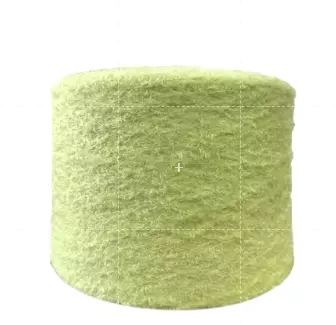
In some designs, rayon yarn may also be combined with decorative or fancy yarn to add texture, pattern variation, or visual depth in fashion fabrics.
Note: When selecting rayon textiles for production, evaluating the yarn quality and supplier reliability can significantly affect the final fabric consistency.
Producing rayon involves several carefully controlled steps. Each stage transforms plant-based cellulose into a finished textile fiber. Although the process includes chemical treatment, the base material remains derived from natural plant sources.
The basic production stages can be summarized as follows:
1. Cellulose extraction
2. Wood pulp or cotton linters are purified until nearly pure cellulose remains. This material forms the base of rayon fiber.Chemical processing
3. The cellulose dissolves into a thick liquid solution. Many textile manufacturers refer to this stage as the viscose process.Fiber formation
4. The liquid passes through small holes in a device called a spinneret. Thin strands emerge and solidify into filaments.Spinning into yarn
These filaments stretch and twist into yarn. Mills prepare the yarn for weaving or knitting.During yarn production, mills may combine rayon filaments with specialty yarns such as fancy yarn. This technique creates decorative textures in woven fabrics or knitted garments.
Production Stage | Key Action | Result |
Cellulose extraction | Plant pulp purified | Natural cellulose base |
Chemical processing | Cellulose dissolved | Thick viscous solution |
Fiber formation | Liquid extruded through spinneret | Rayon filaments |
Yarn spinning | Fibers twisted into yarn | Yarn ready for weaving |
Fabric finishing | Dyeing and treatment | Soft rayon fabric |
After yarn production, textile mills weave or knit the yarn into fabric. The fabric then passes through dyeing, finishing, and inspection processes.
Reliable yarn supply plays a major role during this stage. Companies such as Longtai provide textile mills around the world with high-quality yarn materials used for weaving and knitting processes.
Note: Consistent yarn quality greatly affects fabric appearance, dye uniformity, and production efficiency.
Rayon is not a single material but a family of related fibers. Several variations exist, each offering slightly different properties.
Viscose is the most common form of rayon. When people simply say "rayon," they usually refer to viscose.
Key characteristics include:
● Smooth and soft texture
● Excellent breathability
● Strong color absorption
Because of these qualities, viscose rayon appears frequently in summer clothing and lightweight garments.
Modal is an advanced type of rayon known for its softness and durability. Compared with traditional viscose, modal fibers often maintain their shape better during washing.
Modal fabrics are commonly used for:
● Underwear
● Pajamas
● Loungewear
● Soft casual clothing
Lyocell represents a newer generation of rayon fibers. Many consumers recognize it under the brand name Tencel.
Lyocell fabrics are valued for:
● Smooth surface
● Good strength
● Moisture management
● Comfortable feel
These qualities make lyocell popular for both clothing and bedding products.
Bamboo rayon comes from bamboo pulp. It offers a soft hand feel and breathable structure, making it suitable for garments and home textiles.
Because bamboo grows quickly and renewably, it has also gained attention in discussions around sustainable textile materials.
Rayon fabric appears in a wide range of products across the textile industry. Its softness, breathability, and versatility allow designers to use it in many different ways.
The fashion industry relies heavily on rayon for lightweight clothing. Designers use it to create garments that move smoothly and feel comfortable on the skin.
Common examples include:
● Dresses
● Blouses
● Shirts
● Skirts
● Summer garments
Rayon blends also appear in woven fabrics that incorporate decorative structures such as fancy yarn, adding texture and visual detail to modern fashion designs.
Because rayon feels soft and breathable, it works well for clothing designed for relaxation and comfort.
Typical products include:
● Pajamas
● Robes
● Loungewear sets
● Casual home clothing
The fabric's smooth texture makes these garments pleasant for long periods of wear.
Rayon is also used beyond clothing. Many home furnishings benefit from its drape and appearance.
Common household uses include:
● Curtains
● Bedding
● Cushion covers
● Decorative upholstery fabrics
These applications take advantage of rayon's ability to hold color and maintain an elegant look.
Proper care helps maintain the beauty and lifespan of rayon garments. Because rayon fibers behave differently from many synthetic fabrics, gentle handling is important.
Care Step | Recommended Method | Purpose |
Washing | Cold water, mild detergent | Protect fiber structure |
Handling | Avoid twisting or wringing | Maintain garment shape |
Drying | Air dry or flat dry | Prevent distortion |
Ironing | Low heat and pressing cloth | Remove wrinkles safely |
Before washing any rayon item, always read the garment's care label carefully. Manufacturers provide specific instructions based on the fabric construction, finishing treatments, and dyeing process. Following these instructions helps protect the garment’s structure and appearance. Some rayon garments may require professional cleaning, especially structured clothing or delicate designs.
Hand washing is often the safest method. Use cold water and a mild detergent designed for delicate fabrics.
Basic steps include:
1. Fill a basin with cold water.
2. Add a small amount of gentle detergent.
3. Submerge the garment and move it slowly through the water.
4. Rinse thoroughly with clean water.
Avoid twisting, wringing, or scrubbing the fabric during washing. Rayon fibers can stretch when wet, so rough handling may damage the garment. Instead, press the fabric gently to remove excess water and handle it carefully to help maintain its shape and smooth surface.
Air drying usually works best.
Recommended drying methods include:
● Laying garments flat on a clean towel
● Hanging them on padded hangers
● Keeping them away from direct heat sources
Avoid high-temperature dryers, which may distort the fabric.
Rayon wrinkles easily but responds well to careful ironing.
For best results:
● Use a low heat setting
● Iron while the fabric is slightly damp
● Place a pressing cloth between the iron and the garment
This prevents excessive heat exposure.
Structured garments such as jackets or dresses may benefit from professional dry cleaning. This approach helps maintain shape and fabric quality.
Tip: When handling rayon garments in bulk production or retail environments, testing washing and ironing methods on sample pieces can help prevent damage during large-scale care processes.
Understanding how rayon compares to other textiles helps manufacturers and buyers select the most suitable material.
Fabric Type | Texture | Breathability | Appearance | Care Requirements |
Rayon | Smooth and soft | High | Silk-like drape | Gentle washing |
Cotton | Soft but structured | High | Casual look | Easy care |
Silk | Extremely smooth | High | Luxurious shine | Delicate cleaning |
Polyester | Slightly firm | Moderate | Synthetic sheen | Durable and easy care |
Cotton offers durability and easy maintenance, which makes it a common choice for everyday clothing. Rayon, however, provides a softer drape and a smoother surface that moves more naturally. Designers often select rayon when they want garments such as dresses or blouses to flow gently and create a lightweight, elegant appearance.
Silk remains one of the most luxurious natural fibers and is known for its natural shine and smooth texture. Rayon offers a similar visual effect and soft feel while remaining more affordable and practical for everyday fashion. Because of this balance, many designers use rayon to achieve a silk-like look without significantly increasing production costs.
Polyester is fully synthetic and well known for its strength and durability. Rayon, on the other hand, comes from plant-based cellulose, which gives it better breathability and a softer hand feel. For this reason, rayon fabrics often feel cooler and more comfortable when worn in warm climates.
The overall performance of rayon fabrics also depends greatly on yarn structure and yarn quality. Advanced yarn types—including blended yarns and fancy yarn—can influence the fabric’s texture, strength, and visual style. These yarn variations help textile manufacturers create fabrics that combine comfort, durability, and attractive surface patterns.
Textile suppliers like Longtai provide a variety of yarn materials used in weaving and knitting. Their product range supports manufacturers who require stable yarn quality for large-scale textile production.
Rayon fabric remains an important material in modern textiles. It offers softness, breathability, and an elegant drape that works well in both fashion and home products. Made from natural cellulose and processed through advanced manufacturing, it combines the comfort of natural fibers and the flexibility of engineered materials. Popular types such as viscose, modal, lyocell, and bamboo rayon allow designers to create fabrics suited to different uses and styles.
Proper care helps rayon garments keep their smooth texture and bright colors. Gentle washing, air drying, and low heat ironing protect the fibers and maintain garment quality. Reliable yarn materials also play a key role in fabric performance. Zhuji Longtai Import & Export Co., Ltd. provides high-quality yarn products and textile materials, including specialized yarn options that support stable production and creative fabric design. Their strong supply capabilities help manufacturers produce comfortable, durable, and visually appealing rayon fabrics for global markets.
A: Rayon fabric is made from regenerated cellulose, usually derived from wood pulp or cotton linters. Manufacturers process this plant-based material into soft fibers and spin them into yarn before weaving it into fabric. In some decorative textiles, rayon may be combined with fancy yarn to create textured or patterned fabrics used in fashion and home décor.
A: Rayon fabric is widely used because it feels soft, breathable, and lightweight. It drapes smoothly, which makes it ideal for dresses, shirts, and summer garments. Designers sometimes combine rayon with fancy yarn to add visual texture or subtle decorative effects to modern fabrics.
A: Rayon fabric should usually be washed gently to maintain its shape and softness. Hand washing in cold water with mild detergent works best. Avoid twisting or wringing the fabric because wet rayon fibers stretch easily. Proper care helps rayon garments keep their smooth appearance.
A: Yes, rayon fabric can be ironed, but low heat is recommended. Iron the garment while it is slightly damp or place a pressing cloth between the iron and the fabric. This protects the fibers and helps maintain the fabric’s smooth surface.
A: Rayon fabric is generally more affordable than silk but offers a similar smooth look and elegant drape. Because of this balance between appearance and cost, it is widely used in fashion and home textiles. Fabrics may also incorporate fancy yarn to enhance design without greatly increasing production cost.
A: Rayon fabric tends to have a smoother texture and softer drape compared with cotton. Cotton usually feels more structured and durable. Rayon fabrics, especially those blended with decorative fancy yarn, often appear in garments that require a flowing or elegant look.