T: +86-13758587081
E: longtaiyarn@sina.com
E: longtaiyarn@sina.com
Longtai Textile, Building 58, Yuwang Xincun, Datang Street, Zhuji City, Shaoxing City, Zhejiang Province, China.
Views: 0 Author: Site Editor Publish Time: 2026-06-23 Origin: Site


Polyester spun yarn looks simple, but it affects many fabric decisions. Choose the wrong yarn, and a sock, glove, or woven fabric may fail too early. In this article, you will learn what polyester spun yarn is, how it works, where it is used, and how to choose it wisely.
● Polyester spun yarn is made by spinning short polyester fibers into a continuous yarn. This structure gives it a softer, more natural surface than smooth polyester filament yarn.
● It is also called spun polyester yarn, polyester staple yarn, or ring spun polyester yarn in many textile sourcing conversations.
● Buyers should not choose only by material name. Count, ply, twist, color, winding, and end use all affect performance.
● Common uses include socks, hosiery, gloves, scarves, knitwear, woven fabrics, sportswear, home textiles, and sewing thread.
● Virgin polyester can offer strong lot consistency, while recycled spun polyester yarn can support sustainability goals.
● Dope dyed polyester yarn can help improve color consistency and reduce later dyeing steps.
● The best choice depends on machine type, fabric weight, target handfeel, and final product durability.
Polyester spun yarn is a yarn made from short polyester fibers. These fibers are opened, aligned, drawn, twisted, and wound into a continuous strand. The word “spun” matters because it means the yarn is built from staple fibers, not long continuous filaments.
This gives the yarn a different feel. It can look less shiny than filament yarn. It can also feel closer to cotton, depending on count, twist, and finish. This is why many manufacturers use spun polyester yarn when they want durability, stable processing, and a softer fabric surface.
You may also see terms such as polyester staple yarn, 100% polyester yarn, or ring spun polyester yarn. These names often point to the same broad material family, but they do not always mean the same specification. A yarn for socks may need different twist and count from a yarn for sewing thread or woven fabric.
At its core, polyester spun yarn offers strength, abrasion resistance, low shrinkage, and steady color performance. It is useful when the final product must handle repeated washing, friction, or daily wear. It is common in socks, gloves, scarves, T-shirts, hosiery, knitted fabrics, woven fabrics, and sewing thread.
Note:Always confirm the yarn structure, not just the fiber name, before placing a bulk order.
The process starts with polyester staple fiber. These short fibers are prepared so they can be spun into yarn. The fiber may come from virgin polyester or recycled polyester, depending on the required quality target and sourcing plan.
The basic process includes opening, carding, drawing, spinning, twisting, and winding. Each step affects yarn evenness, strength, softness, and machine behavior. If the fiber is not prepared well, the yarn may show uneven thickness or poor running performance.
Ring spinning is often used when buyers need a smoother and more stable yarn. Ring spun polyester yarn can support clearer stitches and a more even fabric surface. It is often used for socks, gloves, knitwear, and woven fabrics where both strength and appearance matter.
Twist is also important. More twist can improve strength and seam stability, but it may reduce softness. Lower twist may feel softer, but it can reduce abrasion resistance or increase hairiness. The right balance depends on the fabric and machine.
Winding is the final step, but it should not be treated as minor. Clean winding helps yarn unwind smoothly during knitting, weaving, or sewing. Poor winding can cause tension changes, yarn breaks, and lower production efficiency.
Tip:Share machine type, gauge, fabric structure, and target handfeel before asking for a quotation.
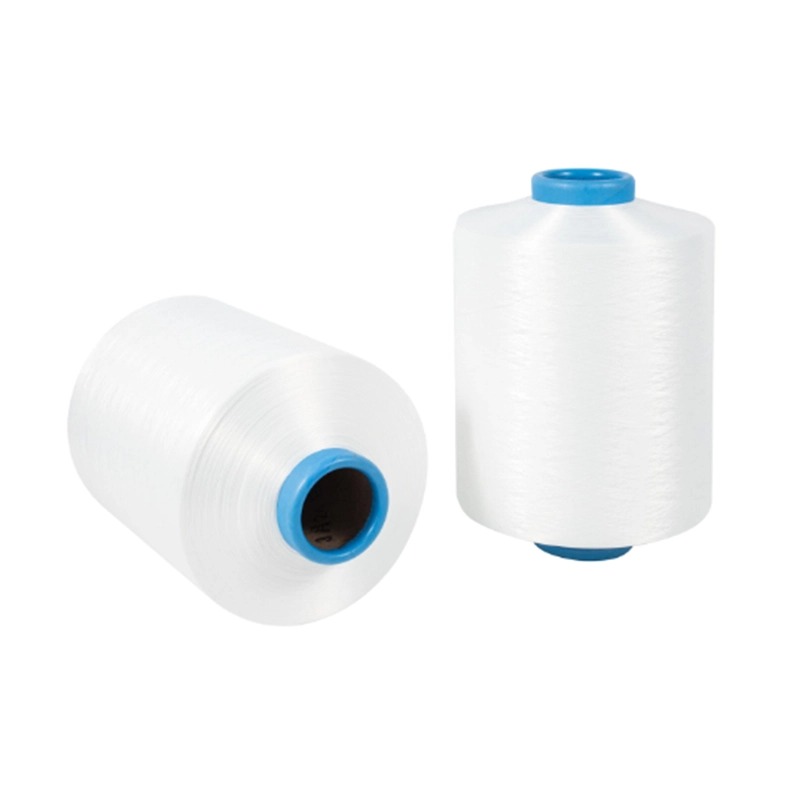
Polyester spun yarn should be selected by specification, not only by material. The most common factors are count, ply, twist, color, finish, and packaging.
Yarn count describes thickness. Coarser yarns are usually used for heavier or more durable fabrics. Medium counts often fit socks, gloves, and daily knitwear. Finer yarns work better for soft, lightweight fabrics where comfort and a smooth surface matter.
Ply means how many yarn strands are combined. Single-ply yarn can feel lighter and softer. Two-ply or three-ply yarn can improve strength, bulk, and stability. Multi-ply yarn is often useful when the fabric needs better seam strength or abrasion resistance.
Twist affects strength and processing. A yarn with controlled twist can run more smoothly on circular knitting machines, weaving machines, and sewing operations. It can also help reduce breakage during production.
Color is another major decision. Raw white yarn works well when the buyer plans downstream dyeing. Pre-dyed yarn saves time when the shade is already confirmed. Dope dyed polyester yarn may help when color consistency and process efficiency are important.
The table below gives a simple selection view:
Specification | What It Affects | Practical Use |
Count | Thickness, weight, softness | Socks, gloves, knitwear, woven fabrics |
Ply | Strength, bulk, durability | Sewing thread, woven fabric, socks |
Twist | Breakage, handfeel, stitch clarity | Knitting, weaving, sewing |
Color | Dyeing process, shade control | Raw white, black, stock colors, custom shades |
Winding | Production stability | High-speed knitting and weaving |
Polyester spun yarn and polyester filament yarn are both made from polyester, but they behave differently. The main difference is structure. Spun yarn uses short fibers. Filament yarn uses long continuous strands.
This difference changes the surface. Spun polyester yarn often has a softer and more natural feel. It may create a fabric surface that looks less glossy. Filament yarn is usually smoother and can create a cleaner, shinier appearance.
For socks, gloves, hosiery, scarves, and everyday knitwear, polyester spun yarn is often chosen for comfort and practical wear. It gives a good balance of strength and softness. It also supports clear stitch formation when count and twist are matched to the machine.
Filament yarn can be better when stretch, smoothness, or special surface effects matter more. DTY, for example, is a textured filament yarn and is often used when bulk and elasticity are needed. The best choice depends on fabric design, not only price.
Note:Spun yarn is not automatically better than filament yarn. It is better only when its structure fits the final fabric goal.
Polyester spun yarn is used in many textile products because it balances durability, cost control, and stable processing. In socks and hosiery, it helps improve wear resistance and shape stability. It can also handle repeated washing better than some natural-fiber options.
For gloves and scarves, polyester knitting yarn can offer a good balance of softness, warmth, and strength. The yarn count and twist should match the product style. A thick glove may need a stronger yarn, while a soft scarf may need better handfeel.
In T-shirts and everyday knitwear, spun polyester yarn can support stable shape and color. It is also used in blended fabrics when manufacturers want to combine polyester strength with the feel of cotton or other fibers.
For woven fabrics, the yarn must be stable enough for warp or weft use. Evenness, twist, and tensile strength are important here. Weak or uneven yarn may cause defects, stops, or poor fabric appearance.
Polyester spun yarn can also be used for sewing thread applications. In this case, strength, twist control, low shrinkage, and clean seams matter more than softness alone.
The main benefit of polyester spun yarn is balanced performance. It offers good strength, abrasion resistance, and low shrinkage. It also keeps its shape well after repeated use. These features make it useful in products that need long service life.
It also supports production efficiency. A well-made yarn can reduce breakage, improve fabric consistency, and help machines run more smoothly. This matters in sock knitting, circular knitting, weaving, and sewing operations.
Another benefit is color flexibility. Buyers can choose raw white, bleached, black, stock colors, or custom shades. Dope dyed polyester yarn can reduce later dyeing work and may support stronger shade consistency.
However, polyester spun yarn also has limits. Polyester absorbs less moisture than cotton. If the final fabric needs a more natural moisture feel, it may need blending, special finishing, or a different fabric structure.
Blending can solve some problems. Polyester can be combined with cotton, wool, or other fibers to balance strength, softness, comfort, and moisture behavior. This is common when a fabric needs both durability and a more natural touch.
Tip:For comfort-focused fabrics, test handfeel, pilling, and washing performance before confirming bulk yarn.
Start with the final product. A sock, glove, scarf, woven fabric, and sewing thread do not need the same yarn. Each product creates different stress on the yarn.
For socks and hosiery, check abrasion resistance, stitch clarity, stretch pairing, and wash performance. For gloves, focus on strength, softness, and thickness. For scarves and knitwear, handfeel and surface appearance may matter more.
Next, choose the count. Coarser yarn is better for heavier structures. Medium yarn fits many daily textile products. Finer yarn works for lightweight fabrics or softer surfaces.
Then review ply and twist. Multi-ply yarn can improve strength, but it may change fabric bulk. Twist can improve running stability, but too much twist may reduce softness. The goal is balance.
Color planning should happen early. If you need downstream dyeing, raw white yarn may fit better. If you need fast production, pre-dyed or dope dyed polyester yarn may reduce extra processing. If brand color matters, ask for shade matching before bulk confirmation.
Finally, check packaging and winding. Cone size, winding tension, cartons, pallets, and labeling affect production and logistics. These details may seem small, but they can reduce delays and prevent machine issues.
Zhuji Longtai Import & Export Co., Ltd. supplies polyester yarn and related textile materials for manufacturers making socks, gloves, scarves, knitwear, woven fabrics, hosiery, sewing thread, and other fabric products. Its product range includes spun polyester yarn, air covered yarn, DTY, fancy yarn, FDY, nylon yarn, POY, recycled yarn, rubber yarn, spandex covered yarn, blended yarn, cotton yarn, and related sock manufacturing materials and equipment.
For polyester spun yarn buyers, Longtai supports practical specification choices such as count, ply, twist, color, finish, winding, cone type, packaging, labeling, sample matching, and private label needs. Buyers can choose virgin polyester for lot stability or recycled spun polyester yarn when sustainability goals are part of the sourcing plan. The company also supports product coordination for sock yarn series and related covered yarn options.
For sourcing support, you can review the Service page or send project details through the contactus page. Share the fabric use, machine type, target handfeel, color needs, and packing requirements to get a more accurate recommendation.
Zhuji Longtai Import & Export Co., Ltd. helps buyers source polyester spun yarn for socks, gloves, scarves, knitwear, woven fabrics, hosiery, and sewing thread. Its value comes from flexible yarn specifications, stable supply support, color options, and practical service for matching yarn to real production needs.
A: Polyester spun yarn is made from short polyester fibers spun into a continuous yarn.
A: Yes. Polyester spun yarn offers strength, abrasion resistance, and stable washing performance.
A: It gives a softer surface than filament yarn and supports durable fabrics.
A: Price depends on count, color, certification, and order volume.
A: Wrong twist, poor winding, weak fiber, or machine mismatch can cause breaks.
A: Spun yarn suits softer fabrics; filament yarn suits smoother, shinier effects.