T: +86-13758587081
E: longtaiyarn@sina.com
E: longtaiyarn@sina.com
Longtai Textile, Building 58, Yuwang Xincun, Datang Street, Zhuji City, Shaoxing City, Zhejiang Province, China.


The textile industry has been a cornerstone of human civilization, weaving itself into the fabric of societies across the globe. Central to this industry is the concept of yarn, the fundamental building block of textiles. Among the various types of yarns, spun yarn holds a place of prominence due to its versatility and widespread application. Understanding spun yarn is essential for professionals and enthusiasts alike, as it plays a critical role in the quality and functionality of textile products. This article delves into the intricacies of spun yarn, exploring its production methods, properties, and significance in modern textiles.
Spun yarn is a type of yarn made by twisting or spinning short fibers together to form a continuous strand. These fibers, known as staple fibers, can be natural, like cotton and wool, or synthetic, such as polyester and acrylic. The process of spinning binds the fibers through mechanical twisting, creating yarns that vary in thickness, strength, and texture. The twisting process not only holds the fibers together but also contributes to the yarn's overall characteristics, influencing its application in various textile products.
Unlike filament yarns, which are made from continuous strands of fiber, spun yarns rely on the cohesiveness of shorter fibers. This distinction imparts unique properties to spun yarns, including increased elasticity, warmth, and a softer hand feel. The uneven surface of spun yarns results from the protrusion of fiber ends, which enhances the textile's ability to trap air, providing better insulation.
The art of spinning fibers into yarn dates back to ancient civilizations. Archaeological findings suggest that spinning was practiced as early as the Paleolithic era, with rudimentary tools like spindles used to twist fibers by hand. The introduction of the spinning wheel in the Middle Ages revolutionized yarn production, increasing efficiency and consistency. This innovation laid the groundwork for the industrialization of textile manufacturing.
The Industrial Revolution of the 18th century marked a significant turning point. The invention of machines like the spinning jenny, water frame, and spinning mule mechanized the spinning process, drastically enhancing production capacity. These advancements not only met the growing demand for textiles but also spurred further technological developments in yarn production.
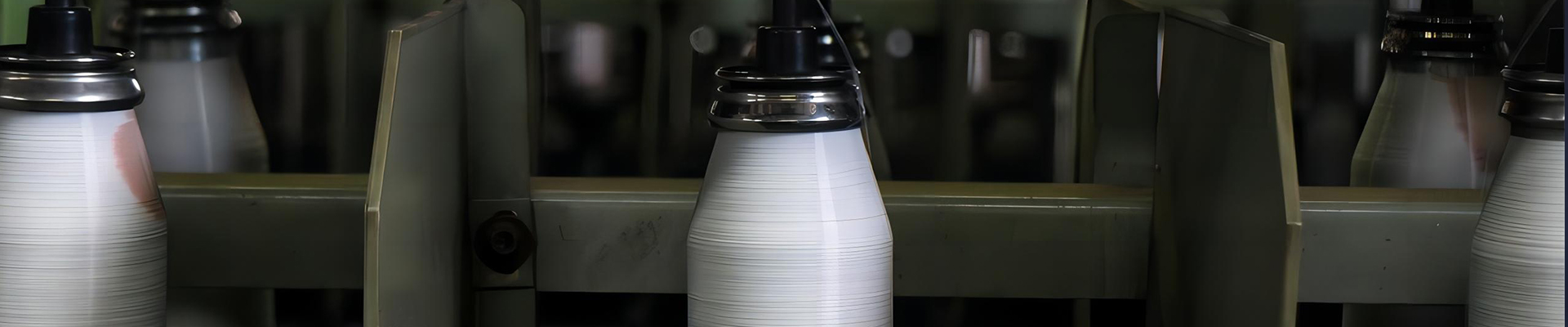
Ring spinning is the most traditional and widely used method for producing high-quality spun yarns. The process involves drafting the fibers to the desired thickness and then twisting them using a ring and traveler system. This method produces yarns with superior strength, uniformity, and softness. Ring-spun yarns are particularly favored in the production of fine textiles, where quality and feel are paramount.
Open-end spinning, also known as rotor spinning, is a more modern and faster method compared to ring spinning. In this process, fibers are fed into a rotor where they are twisted and withdrawn as yarn. Open-end spinning is efficient and cost-effective, making it suitable for producing yarns used in products like denim, towels, and other coarse fabrics. However, yarns produced by this method generally have lower strength and are less uniform than ring-spun yarns.
Air-jet spinning utilizes high-speed air currents to twist the fibers and form the yarn. This method is known for its high production rates and the ability to produce yarns with unique properties. Air-jet spun yarns typically have a smooth surface and are less likely to pill, making them suitable for specific applications in apparel and home textiles.
The characteristics of spun yarn are largely determined by the type of fibers used and the spinning method employed. Key properties include:
Spun yarn strength is influenced by fiber strength, length, fineness, and the degree of twist. Longer and finer fibers tend to produce stronger yarns due to better fiber alignment and increased cohesion. The amount of twist also plays a crucial role; excessive twisting can increase strength up to a point before the yarn becomes brittle.
Elasticity refers to the yarn's ability to stretch and recover its original length. Spun yarns generally exhibit moderate elasticity, which is beneficial in applications requiring flexibility. The inherent crimp of natural fibers like wool contributes to the elasticity of the yarn.
Uniformity is critical for consistent fabric appearance and performance. Ring-spun yarns are known for their high uniformity due to the controlled spinning process. In contrast, open-end spun yarns may exhibit more variation in thickness and strength.
Spun yarns are extensively used in the apparel industry for making garments such as shirts, jeans, sweaters, and socks. The softness and comfort of spun yarns make them ideal for garments worn close to the skin. For instance, cotton spun yarns are preferred for their breathability and moisture absorption properties.
In home textiles, spun yarns are used in products like bed linens, towels, and upholstery fabrics. The durability and aesthetic appeal of home spun yarn contribute to the longevity and style of these products. The ability to blend different fibers allows manufacturers to tailor the properties of the yarn to specific applications.
Beyond traditional uses, spun yarns are also employed in technical textiles for applications such as filtration, agriculture, and geotextiles. The versatility of spun yarns, coupled with advancements in fiber technology, enables the production of yarns suited for specialized functions requiring specific mechanical or chemical properties.
Spun yarns offer several advantages that make them indispensable in textile manufacturing:
Spun yarns can be made from a wide range of fibers, both natural and synthetic. This flexibility allows manufacturers to create yarns with tailored properties by blending different fibers. For example, blending cotton and polyester fibers combines the comfort of cotton with the strength and durability of polyester.
The texture of spun yarns contributes to the softness and comfort of fabrics. The presence of fiber ends on the yarn surface enhances the fabric's ability to wick moisture and allows for better air circulation, which is essential in apparel applications.
Spun yarns trap air within the fabric structure due to their hairy surface, providing excellent insulation properties. This makes them suitable for producing warm clothing and textiles used in cooler climates.
While spun yarns have numerous benefits, they also present certain challenges:
The protruding fiber ends in spun yarns can lead to pilling, where small fiber balls form on the fabric surface due to abrasion. This affects the fabric's appearance and can reduce its lifespan.
Spun yarns are generally not as strong as filament yarns made from continuous fibers. This can limit their use in applications where high tensile strength is required unless reinforced through blending or finishing processes.
The textile industry continues to innovate, improving the properties and production methods of spun yarns. Recent advancements include:
Compact spinning reduces the hairiness of spun yarns by condensing the fiber strand before twist insertion. This results in yarns with higher strength, better uniformity, and reduced pilling tendencies. Fabrics made from compact-spun yarns have a smoother surface and improved performance.
Core-spun yarns involve wrapping a sheath of fibers around a core filament, typically elastane or a high-strength filament. This technique combines the aesthetic and comfort properties of the outer fibers with the functional benefits of the core, such as elasticity or strength. Core-spun yarns are widely used in stretch fabrics and technical textiles.
As environmental concerns become increasingly important, the textile industry is focusing on sustainable practices in yarn production. Utilizing recycled fibers, such as recycled cotton or polyester, reduces waste and conserves resources. Innovations in spinning technology also aim to minimize energy consumption and chemical usage.
Companies like Zhuji Longtai Import & Export Co., Ltd. are at the forefront of these efforts, offering products that align with sustainability goals. Their commitment to eco-friendly practices demonstrates the industry's shift toward responsible manufacturing.
Spun yarn remains a vital component in the textile industry, offering a combination of versatility, comfort, and functionality. Understanding the various aspects of spun yarn, from production methods to properties and applications, is essential for professionals in the field. As technology advances and sustainability becomes a priority, the development of spun yarns continues to evolve, meeting the changing demands of the market.
The ongoing innovations promise exciting possibilities for the future of textiles. Whether in traditional applications or emerging fields, spun yarn will undoubtedly continue to play a significant role in shaping the fabrics of tomorrow. Embracing these developments allows businesses and consumers alike to benefit from the enhanced performance and reduced environmental impact of modern spun yarns.