
T: +86-13758587081
E: longtaiyarn@sina.com
E: longtaiyarn@sina.com
Longtai Textile, Building 58, Yuwang Xincun, Datang Street, Zhuji City, Shaoxing City, Zhejiang Province, China.
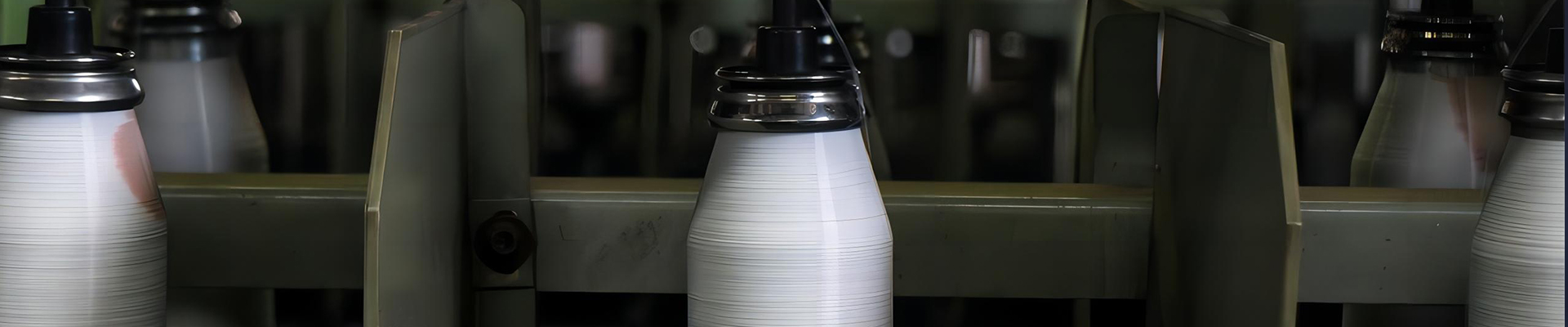


Cotton has been a cornerstone of the textile industry for millennia, renowned for its softness, breathability, and versatility. As one delves into the world of textiles, a common question arises: Is cotton a spun yarn? Understanding this requires an exploration of the fundamental processes involved in yarn production and the inherent properties of cotton fibers. This comprehensive analysis aims to clarify the relationship between cotton and spun yarns, shedding light on how cotton fibers are transformed into the yarns that are integral to countless fabrics and garments worldwide. In the context of textile production, appreciating the nuances of spun yarn is essential for both industry professionals and enthusiasts.
Spun yarns are produced by twisting together short fibers, known as staple fibers, to create a continuous strand suitable for weaving or knitting. This process involves aligning the fibers and imparting sufficient twist to hold them together, resulting in a yarn with specific physical characteristics. The fibers used can be natural, like cotton and wool, or synthetic, such as polyester and acrylic. The nature of spun yarns imparts a texture and hand feel that is distinct from filament yarns, which are made from long continuous fibers.
The primary trait of spun yarns is their composition of staple fibers. This structure leads to a yarn that is generally fuzzier and less lustrous than filament yarns due to the fiber ends protruding from the surface. Spun yarns offer excellent insulation, as the air pockets between fibers trap air, providing warmth. They also tend to have a softer hand, making them comfortable against the skin. The degree of twist in the yarn affects its strength, elasticity, and appearance, with higher twists leading to stronger but less flexible yarns.
Traditional spinning methods include ring spinning, rotor spinning, and air-jet spinning. Ring spinning is known for producing high-quality yarns with superior strength and softness. Rotor spinning, or open-end spinning, offers higher production speeds and is suitable for coarser yarns. Air-jet spinning utilizes compressed air to twist fibers, resulting in yarns with unique properties. Each method affects the final yarn characteristics, influencing the choice of spinning technique based on the desired end-use.
Cotton fibers are short staple fibers, typically ranging from 10 to 60 millimeters in length depending on the variety. Due to their staple nature, cotton fibers require spinning to be transformed into yarn. This necessity inherently classifies cotton yarn as a spun yarn. The spinning process effectively aligns and twists the cotton fibers, converting them into a coherent and continuous strand suitable for textile production.
The journey from raw cotton to spun yarn begins with ginning, where seeds and impurities are removed from the harvested cotton bolls. The fibers then undergo carding, a process that disentangles and aligns them, forming a carded sliver. Combing may follow, which further straightens fibers and removes shorter ones, resulting in a smoother and more uniform yarn. The prepared sliver is then spun using methods like ring spinning, which imparts the necessary twist to hold the fibers together. This process transforms the loose fibers into a strong and cohesive yarn.
Cotton spun yarns are prized for several key properties. They offer excellent moisture absorbency, which enhances comfort by allowing fabrics to breathe and wick away sweat. The softness of cotton makes it gentle against the skin, reducing irritation. Additionally, cotton yarns have good dye affinity, allowing for vibrant and long-lasting colors. While cotton yarns provide adequate strength for many applications, their strength can be enhanced through blending with synthetic fibers or by adjusting the spinning process.
Cotton spun yarns are ubiquitous in the textile industry, forming the backbone of numerous fabric types. They are integral to the production of apparel, home furnishings, and industrial textiles. The versatility of cotton yarns allows them to be woven or knitted into a variety of fabric constructions, each with unique characteristics suitable for specific applications.
In the apparel sector, cotton spun yarns are essential for creating comfortable and breathable garments. They are used in t-shirts, dresses, underwear, and jeans, capitalizing on cotton's softness and moisture management properties. The ability of cotton to be blended with other fibers allows designers to enhance fabric performance, combining cotton's comfort with the durability or elasticity of synthetics.
Cotton spun yarns are prominent in home textiles such as bed linens, towels, and curtains. The absorbency and softness of cotton make it ideal for towels and bathrobes, providing a luxurious feel. In bedding, cotton's breathability contributes to sleep comfort. The durability of cotton fabrics ensures these products can withstand repeated laundering, a critical factor for household items.
Beyond consumer textiles, cotton spun yarns find applications in industrial settings. They are used in medical supplies like gauze and bandages due to their hypoallergenic nature and ability to absorb fluids. In addition, cotton yarns are employed in the production of filters, ropes, and tarpaulins, showcasing the fiber's versatility.
The tradition of spinning cotton yarn at home has seen a resurgence with the growing interest in sustainable and handmade products. Home spun yarn allows artisans to produce bespoke yarns with unique textures and colors. This practice connects modern crafters with historical textile techniques, fostering a deeper appreciation for the craft.
Traditional spinning methods involve tools like drop spindles and spinning wheels. These techniques require significant manual skill and time, resulting in yarns that reflect the individuality of the spinner. Home spinning enables customization of yarn thickness, twist, and fiber blends, providing endless creative possibilities for knitters and weavers.
The modern revival of home spinning is partly driven by a desire for sustainable and ethically produced textiles. By spinning their own yarn, individuals can ensure the materials are sourced responsibly, often opting for organic or locally grown cotton. This movement aligns with broader trends towards slow fashion and reducing the environmental impact of textile production.
While cotton spun yarns hold a significant place in the textile industry, it's important to compare them with yarns made from other fibers to understand their relative advantages and limitations. Factors such as strength, elasticity, moisture management, and cost influence the choice of yarn for specific applications.
Synthetic yarns like polyester and nylon offer high strength, durability, and often lower cost. However, they lack the natural breathability and softness of cotton. Synthetic fibers are hydrophobic, which can impede moisture absorption but allows for quick drying. Blending cotton with synthetic fibers can optimize the properties of both, enhancing performance while maintaining comfort.
Wool yarns, also spun from staple fibers, provide superior insulation and elasticity compared to cotton. Wool's natural crimp allows it to retain heat effectively, making it ideal for cold weather garments. Cotton, conversely, is better suited for warmer climates due to its breathability. The choice between cotton and wool depends largely on the intended use and required fabric properties.
Technological advancements have significantly impacted the production of cotton spun yarns. Innovations in spinning machinery and fiber processing have improved yarn quality, production efficiency, and environmental sustainability. These advancements enable manufacturers to meet the evolving demands of the textile market.
Compact spinning is a modern technique that reduces hairiness in yarns by condensing the fiber strand before twist insertion. This results in smoother yarns with higher strength and better abrasion resistance. Compact spun cotton yarns produce fabrics with improved pilling performance and a finer surface appearance, highly desirable in premium apparel applications.
Environmental concerns have led to increased interest in recycled cotton yarns. These yarns are produced by processing cotton waste from various sources, reducing the reliance on virgin cotton and decreasing environmental impact. Advances in recycling technology have improved the quality of recycled yarns, making them a viable option for many textile applications.
In conclusion, cotton is unequivocally linked to spun yarns due to its staple fiber characteristics requiring the spinning process to produce yarn. Cotton spun yarns play an integral role in the textile industry, offering a balance of comfort, versatility, and natural appeal. The enduring popularity of cotton is a testament to its desirable properties and the adaptability of spun yarns to meet diverse textile needs. From mass-produced fabrics to home spun yarn creations, cotton continues to be a fiber of choice for many. Understanding the nature of cotton spun yarn enhances our appreciation for the textiles that enrich our daily lives and highlights the importance of advancing sustainable and innovative practices in yarn production.