
T: +86-13758587081
E: longtaiyarn@sina.com
E: longtaiyarn@sina.com
Longtai Textile, Building 58, Yuwang Xincun, Datang Street, Zhuji City, Shaoxing City, Zhejiang Province, China.
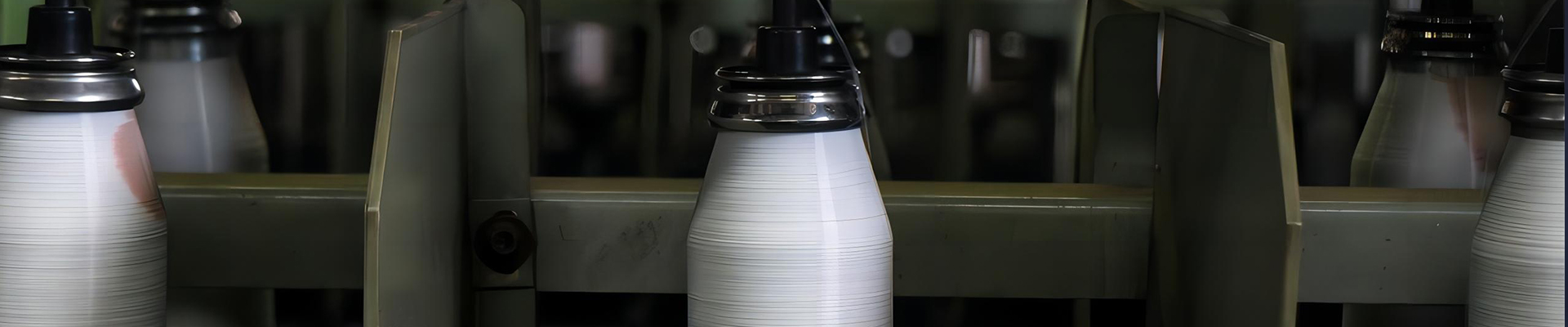


Nylon yarn has been a staple in the textile industry since its invention in the 1930s. It's known for its strength, elasticity, and versatility, making it a popular choice for a variety of applications, from hosiery to upholstery. However, one common concern among consumers and textile enthusiasts is whether nylon yarn is itchy when used in garments or accessories. This article delves into the characteristics of nylon yarn to address this concern comprehensively.
Firstly, it's important to understand what nylon yarn is and how it interacts with the skin. Nylon is a synthetic polymer, and when spun into yarn, it creates a smooth, lightweight, and durable fiber. The Nylon Yarn produced today often undergoes various finishing processes to enhance its softness and reduce any potential for irritation.
Nylon yarn boasts several properties that contribute to its widespread use. Its high tensile strength makes it resistant to stretching and tearing, while its elasticity allows fabrics to return to their original shape after being stretched. Additionally, nylon fibers are intrinsically smooth, which, in theory, should minimize skin irritation.
The manufacturing process of nylon yarn involves extruding molten nylon through a spinneret to form fibers, which are then cooled and stretched to increase strength. This process results in a continuous, filament fiber that lacks the short ends characteristic of natural fibers, which are often responsible for the prickly sensation associated with itchiness.
Despite the smooth nature of nylon fibers, some individuals may still experience itchiness when wearing nylon-containing fabrics. Several factors can contribute to this sensation:
The diameter of the fiber plays a significant role in how it feels against the skin. Thicker fibers can feel coarse, leading to discomfort. Nylon yarns used in apparel are typically fine and smooth, but variations in production can result in differing fiber diameters.
The way nylon yarn is knit or woven can affect the texture of the final fabric. Tight weaves or high-density knits may feel less breathable, potentially causing sweat to accumulate and irritate the skin. Conversely, fabrics made with nylon yarn for crochet often have more open structures, enhancing breathability and comfort.
Finishing agents applied to nylon fabrics, such as dyes or wrinkle-resistant treatments, can cause skin reactions in sensitive individuals. It's essential for manufacturers to use hypoallergenic finishes and for consumers to wash new garments before wearing them.
When assessing the itchiness of nylon yarn, it's helpful to compare it to other common fibers:
Wool fibers are often associated with itchiness due to their coarse fiber ends that can prick the skin. Nylon lacks these protruding scales, generally making it less likely to cause irritation.
Cotton is known for its softness and comfort but lacks the elasticity and strength of nylon. Blending cotton with nylon can enhance fabric performance while maintaining softness.
Modern technological advancements have significantly improved the comfort of nylon yarns. Microfiber nylon, for instance, utilizes ultra-fine fibers to create exceptionally soft and silky fabrics. Additionally, texturizing processes, like air jet texturing, add bulk and softness without sacrificing smoothness.
Producers are also focusing on eco-friendly production methods. Recycled nylon yarns are gaining popularity, offering environmental benefits without compromising on quality or comfort.
Nylon yarn is widely used in products where comfort is paramount:
Nylon's elasticity and smoothness make it ideal for hosiery. Manufacturers have perfected the use of fine nylon yarns to produce sheer, comfortable stockings that are gentle on the skin.
In sports apparel, nylon yarn is prized for its moisture-wicking properties and durability. The fabrics are designed to minimize irritation during physical activity, often incorporating seamless technology to reduce friction.
Surveys and reviews indicate that most consumers do not find nylon yarn itchy. In cases where itchiness occurs, it is often attributed to allergic reactions or sensitivities to additives rather than the nylon fiber itself. Proper garment care, including washing before first use, can mitigate many of these issues.
A study conducted by textile researchers found that less than 5% of participants reported discomfort when wearing nylon garments, compared to over 20% for wool. This suggests that nylon yarn is generally well-tolerated by the majority of people.
To ensure maximum comfort when selecting nylon yarn products, consider the following:
Look for garments made with microfiber or texturized nylon for added softness.
Choose products from reputable manufacturers who prioritize skin-friendly finishes.
Opt for blends with natural fibers if you have sensitive skin.
Always wash new nylon garments before wearing to remove any residual chemicals.
Beyond apparel, nylon yarn is a favorite among crafters, particularly in crochet. Its strength and slight elasticity make it suitable for projects that require durability and shape retention. When used in crochet, nylon yarn for crochet produces items that are both functional and long-lasting, such as bags, rugs, and accessories.
Crafters often report that nylon yarn glides smoothly over hooks and needles, reducing hand fatigue and improving the overall crafting experience. The vast array of colors and finishes available also allows for creative expression without compromising on comfort.
In conclusion, while individual experiences may vary, nylon yarn is generally not considered itchy. Its smooth fibers, coupled with modern manufacturing techniques, produce fabrics that are comfortable for most people. By understanding the properties of nylon yarn and how it is used in various applications, consumers can make informed decisions and enjoy the benefits of this versatile material.
For those interested in exploring products made with nylon yarn or using it in crafts, there are numerous options available that combine comfort, durability, and style.